



In the 1895 painting Mephisto by Eduard von Grützner, we’re confronted with the cunning figure of the demon Mephistopheles rendered with both theatrical flair and chilling precision. Grützner uses a rich palette of dark tones contrasted with piercing highlights to draw attention to the devilish grin, the exaggerated features, and the elegant yet menacing pose of his subject. This depiction leans into caricature; Mephisto seems almost poised mid-joke, yet there’s malevolence beneath the surface, suggesting temptation and manipulation rather than simple mischief. By placing this figure alone in sharp focus, Grützner shifts the narrative from grand drama to psychological portraiture—not just of the devil, but of what the devil represents: the darker undercurrents of human desire, irony, and power. In doing so, Grützner shows his usual mastery of genre and character (he is better known for his humorous monk scenes) but here he pushes into something more uncanny and provocative.


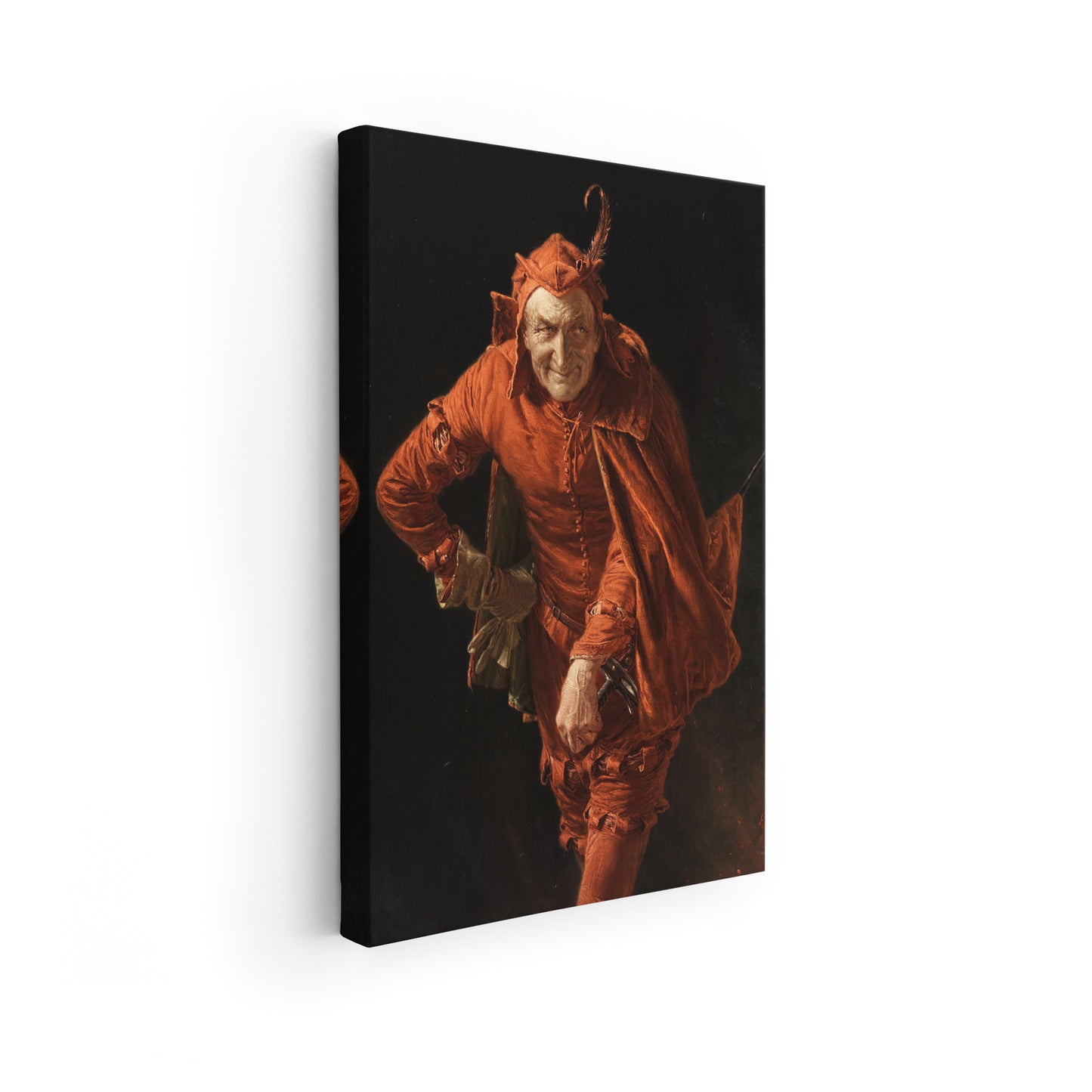
- Title Mephisto (Mephistopheles, from Goethe's Faust)
- Artist Eduard Theodor Ritter von Grützner (German genre painter and Munich Academy professor; Groß-Karlowitz, Upper Silesia [now Karłowice Wielkie, Poland], 26 May 1846 - Munich, 2 April 1925; pupil of Hermann Dyck and Hermann Anschütz at the Munich Academy)
- Year of creation 1895 (signed and dated by Grützner. The figure of Mephistopheles — the cynical, sardonic devil to whom the scholar Heinrich Faust pledges his soul in Goethe's Faust — was one of Grützner's recurring theatrical subjects alongside his celebrated humorous monk genre scenes, Falstaff portraits, and other character studies drawn from German literature and theatre. Goethe's Mephisto is not Satan as monstrous prince of Hell but a far subtler figure: a brilliant, ironic, endlessly persuasive spirit who corrupts not by force but by temptation and intellectual seduction — and the Faust legend was a defining text of nineteenth-century German cultural identity, regularly performed on the Munich stage where Grützner worked closely with actors and used the theatre as a source for his character types. Grützner depicts Mephisto here in close-up half-length as a single sharply individualised figure rather than as part of a narrative scene, leaning into theatrical caricature — pointed features, devilish grin, piercing highlights against dark tones — and producing what is more a psychological character portrait than a literary illustration. The painting has belonged to private collectors throughout its history and has reappeared at sale repeatedly. Grützner was a longtime professor at the Munich Academy of Fine Arts and was ennobled "von" by the Prince Regent Luitpold of Bavaria in 1916)
- Technique/Medium Oil on canvas (some recorded versions are oil on panel)
- Original dimensions 44 x 36 cm (oil on canvas version recorded at Artnet auction)
- Collection/Museum Private collection (the work has appeared at multiple auctions; Grützner painted several versions of the Mephisto subject, recorded in various auction records at sizes 44 x 36 cm oil on canvas, 39.5 x 30 cm oil on panel, 38.5 x 30.5 cm oil on panel, and others)
We provide Worldwide Shipping with tracking to most locations around the world. We operate a global production network, which allows us to produce and deliver orders locally for free. Our production facilities are located in the US, Canada, UK, Spain, and Australia.
Shipping times around the world vary based on your location. Here are our estimated delivery times from the day of purchase:
- US, Canada: 7-10 business days
- Continental US, Alaska and Hawaii: 10-14 business days
- UK: 7-10 business days
- Australia: 7-10 business days
- EU: 10-14 business days
- Rest of the World: 14 business days
Above times are estimates, and include handling time to prepare your order. Business days exclude weekends and holidays. Please refer to the delivery time specific to your shipping address that is presented during the checkout.
We currently ship with the following global shipping partners: FedEx, UPS, DHL, GLS, Canada Post, Royal Mail, Aramex, and Australia Post.
Museum-quality reproductions
Each print is crafted with meticulous care, ensuring every detail captures the essence of the original masterpiece.
This way, you receive the most faithful reproduction possible, bringing the museum experience directly into your home.
Why Choose Us?
Inspiraggio
Amazon
Others
Handcrafted

Museum Quality
Exact Reproductions
+100 Years Guarantee
Support Youtube Channel
Access to Weekly Newsletter
Best Sellers
-
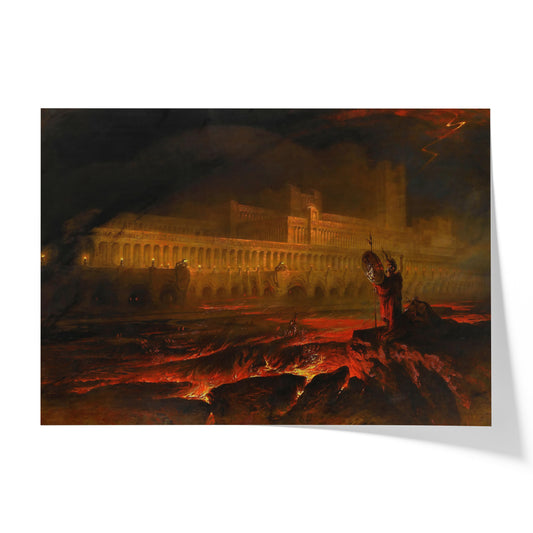
Pandemonium | John Martin | 1841
Regular price From €32,95Regular priceUnit price per -
The Devil's Checkmate | Friedrich August Moritz Retzsch | 1831
Regular price From €32,95Regular priceUnit price per -
Daniel in the Lion's Den | Briton Rivière | 1872
Regular price From €32,95Regular priceUnit price per -
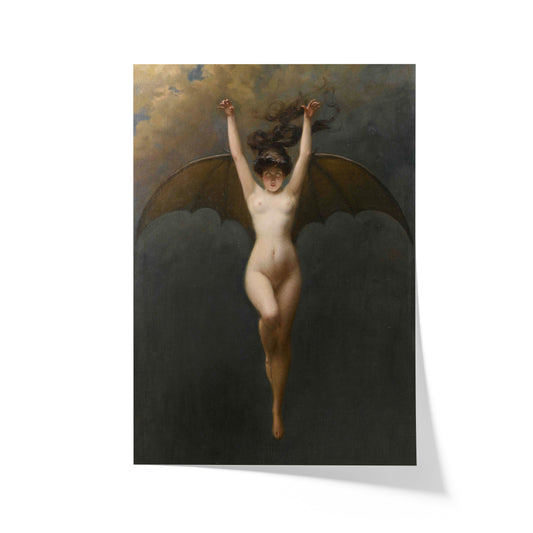
The Bat Woman | Albert Joseph-Pénot | 1890
Regular price From €32,95Regular priceUnit price per



Art Prints
Bright & intensive color spectrum. Best choice if you plan to frame it by yourself/local craft shop.
*Requests framing (frame is not included with this option)
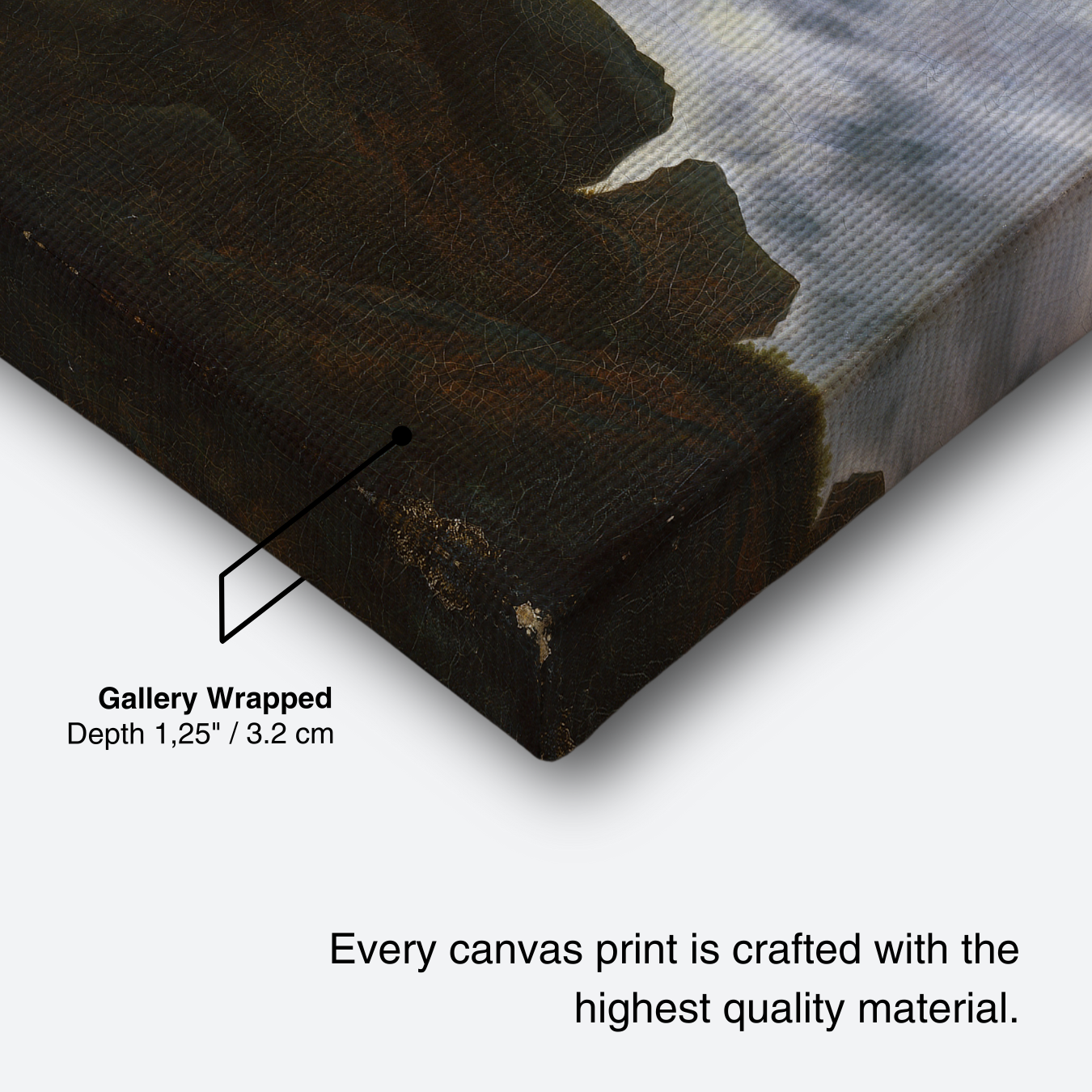
Canvas Features
Our gallery wrapped canvas framed with a wooden frame and ready to hang out of the box with hanging hardware pre-installed.
*Specially coated with poly-cot canvas for the highest durability and best color vibrancy. Archival grade canvas.

Black Frame
Black floating frame is a popular add-on to any canvas during the purchase. The frame is build using our proprietary profile radial pine, and coated with black graphite that gives it a gallery quality, luxurious matte finish.
Mobile Case Collection
-
The Fallen Angel | Alexandre Cabanel | 1847
Regular price From €35,00Regular priceUnit price per -
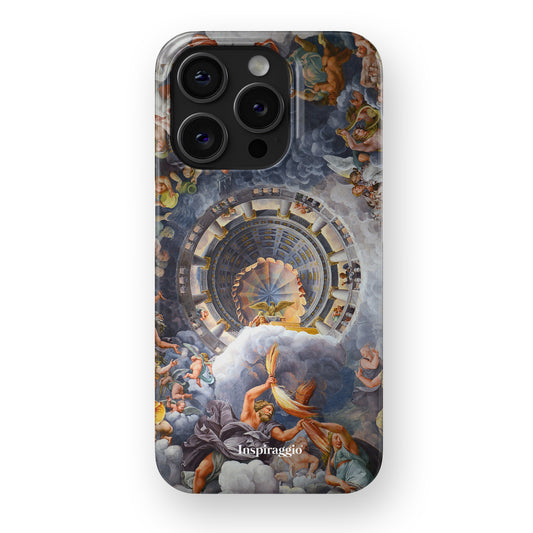
The Fall Of Giants | Giulio Romano | 1522
Regular price From €35,00Regular priceUnit price per -
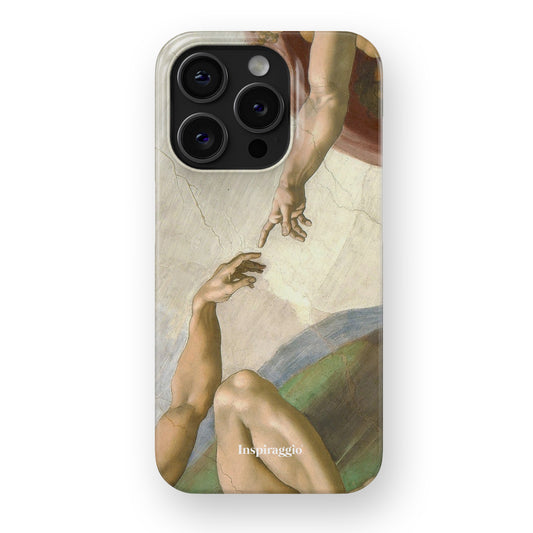
The Creation of Adam | Michelangelo Buonarroti | 1508-1512
Regular price From €35,00Regular priceUnit price per -
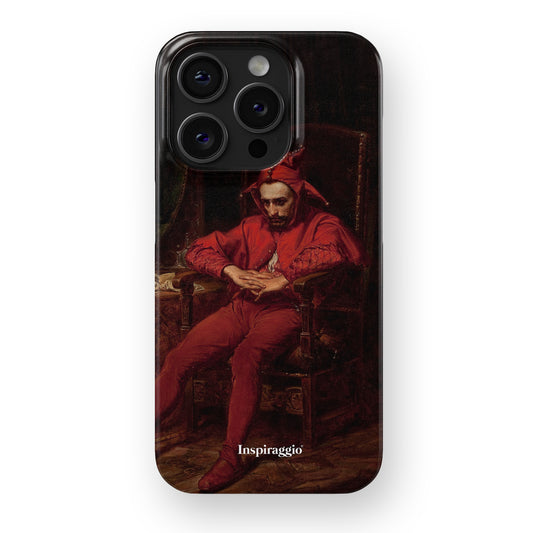
Stańczyk | Jan Matejko | 1862
Regular price From €35,00Regular priceUnit price per

-

-

Lifetime Guarantee
Returns & ExchangesWe have confidence in our materials; your order comes with a lifetime guarantee.
-

We're Here To Help
Customer ServiceWe want to make your experience amazing! Our team is ready to help.
