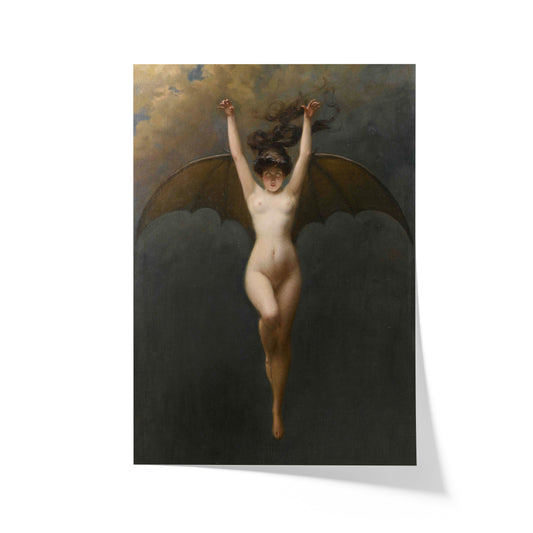
The Isleworth Mona Lisa is one of the most controversial paintings associated with Leonardo da Vinci. Named after the London district where it resurfaced in the early 20th century, the work depicts a noticeably younger version of Lisa Gherardini and differs from the famous Louvre painting in several key ways. Most striking are the unfinished background and the presence of visible columns framing the sitter, details that have fueled decades of debate among art historians.
Supporters argue that the painting may represent an earlier version of the Mona Lisa, possibly begun by Leonardo around 1495 and later abandoned in favor of the masterpiece now housed in Paris. They point to stylistic similarities in the face, hands, and composition, as well as historical accounts suggesting that Leonardo may have worked on more than one portrait of the same subject. Skeptics, however, believe it was created by a talented follower working in Leonardo’s circle.
Regardless of its authorship, the Isleworth Mona Lisa remains one of art history’s most fascinating mysteries. If connected to Leonardo, it could offer a rare glimpse into the evolution of one of the most famous paintings ever created and challenge long-held assumptions about the artist’s creative process.
We provide Worldwide Shipping with tracking to most locations around the world. We operate a global production network, which allows us to produce and deliver orders locally for free. Our production facilities are located in the US, Canada, UK, Spain, and Australia.
Shipping times around the world vary based on your location. Here are our estimated delivery times from the day of purchase:
US, Canada: 7-10 business days
Continental US, Alaska and Hawaii: 10-14 business days
UK: 7-10 business days
Australia: 7-10 business days
EU: 10-14 business days
Rest of the World: 14 business days
Above times are estimates, and include handling time to prepare your order. Business days exclude weekends and holidays. Please refer to the delivery time specific to your shipping address that is presented during the checkout.
We currently ship with the following global shipping partners: FedEx, UPS, DHL, GLS, Canada Post, Royal Mail, Aramex, and Australia Post.
Museum-quality reproductions
Each print is crafted with meticulous care, ensuring every detail captures the essence of the original masterpiece.
This way, you receive the most faithful reproduction possible, bringing the museum experience directly into your home.
Bright & intensive color spectrum. Best choice if you plan to frame it by yourself/local craft shop.
*Requests framing (frame is not included with this option)
Canvas Features
Our gallery wrapped canvas framed with a wooden frame and ready to hang out of the box with hanging hardware pre-installed.
*Specially coated with poly-cot canvas for the highest durability and best color vibrancy. Archival grade canvas.
Black Frame
Black floating frame is a popular add-on to any canvas during the purchase. The frame is build using our proprietary profile radial pine, and coated with black graphite that gives it a gallery quality, luxurious matte finish.
Customer Reviews
Overall rating: 4.7 / 5 from 1833 reviews.
This is the first painting I buy from your site and from any site at all in fact, and except a minor delivery issue - that only implied FedEx - everything went smoothly ! Your team responded quickly concerning this issue and that add up to the quality of service !
The reproduction is beautifully done, the contrast are good and the colors are vibrant.
I am really happy with this product and will definitely crave for more !
Wonderful quality, arrived very quickly (From Estonia to Canada), but most of all I am grateful for your YouTube videos to learn the background of this fascinating painting origin.
I have the other Daniel painting also, the one where he is entering the lion's den. My daughter liked it so much, that I lent it to her, not sure I'd ever get it back so ordered this one. Keep it in the blue bedroom we use for visitors, always sparks a conversion.
Just love it !
Well. This Image is more jpeg like than i would prefer. I never seen the original in the louvre, but I think it could be better. Especially for 300 euros.
I simply love the portrait of the three black cats! - flawless print, elegant frame and quick shipping with sufficient packaging.
I will be coming back for more!
Thank you! <3
Extremely clear and detailed. Photo is the print with museum grade glass.
You could look at it a hundred times and still notice a different detail each time.
We absolutely love this print! We framed it and displayed it in our sacred space area. Great addition to our decor and a powerful piece of art. Many thanks.
Okay, let me start by saying this is my favorite painting of all time. I love skulls. I am beyond thrilled to own this piece and show it off to all who enter! I cannot believe this was painted in 1533.. It stirs me. 10/10 piece. Easy.
I am attaching two photos of the upper left corner where the crucifix lies hidden in plain sight. I am disappointed that the wrap of the canvas wasn't very tight on this one. Because of the loose wrapping.. you can clearly see that the crucifix is mirrored from the printing job and it kind of ruins that corner of the piece because it is a detail you aren't suppose to notice right away. Unfortunately it sticks out in plain view. I plan to take black paint and just tape off the edge and fill the outer edge so the crucifix has a proper corner to inhabit. Although, I am hesitant to try and alter something so expensive.. Not sure what to do.
Solid as usual. Solid as always. The Last Days of Pompeii is dramatic and moody; just what I wanted. Print quality is sharp, colors are faithful. The artwork is theatrical, and work well on canvas. I'm a history nut and have had a fascination with Pompeii since my teens, so this one had to join my collection. Happy with it.