



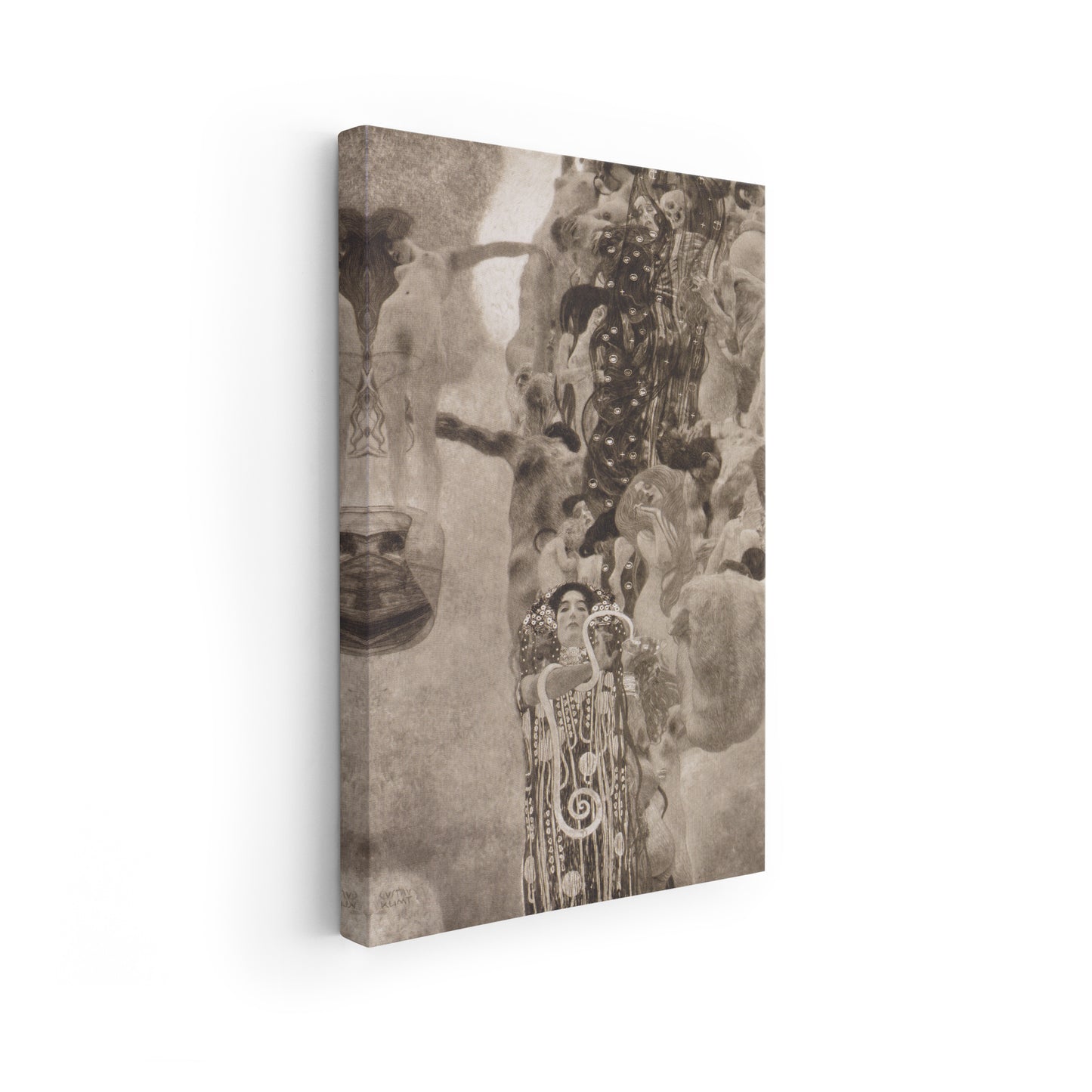
- Title Medicine (Medizin) — second of the University of Vienna Ceiling Paintings / Faculty Paintings (Fakultätsbilder)
- Artist Gustav Klimt (Austrian Symbolist; co-founder and first president of the Vienna Secession 1897; Baumgarten near Vienna, 14 July 1862 - Vienna, 6 February 1918)
- Year of creation 900-1907 (the second of the three Faculty Paintings commissioned in 1894 by the Austrian Ministry of Education for the ceiling of the University of Vienna's Great Hall. Klimt first exhibited Medicine in unfinished state at the Tenth Vienna Secession exhibition in March 1901, where it provoked an even greater scandal than Philosophy had the previous year — 87 faculty members signed a petition against the cycle, and the painting was attacked in a medical journal for its lack of allegorical homage to the science of healing and for its explicit female nudity. Rather than glorifying medicine, the composition shows on the right a vertical column of intertwined naked human bodies — a river of life flowing from birth to death, with a skeleton of Death visible at the top right — while on the left a single nude female figure floats free of the stream, suspended in space. At the foot of the composition stands the painting's only "medical" figure: Hygieia, the daughter of Aesculapius and goddess of health, frontally facing, robed in red and gold, holding the Aesculapian serpent and the Cup of Lethe — and conspicuously turning her back on suffering humanity, the most provocative element of the entire cycle. After the Ministry refused to install the paintings in the Great Hall, Klimt resigned the commission in 1905 and repaid his 30,000-crown advance with the support of August Lederer. Provenance: Klimt; sold to Koloman Moser between 1910 and 1912; sold by the Moser family in 1919; acquired through patrons by the Österreichische Galerie / Belvedere, Vienna; confiscated by the Nazis after the 1938 Anschluss; transferred to Schloss Immendorf for safekeeping in 1944; destroyed there the following May)
- Technique/Medium Oil on canvas (with gold and silver leaf accents in the figure of Hygieia, foreshadowing Klimt's Golden Phase)
- Original dimensions 430 x 300 cm (same monumental vertical format as Philosophy and Jurisprudence)
- Collection/Museum Destroyed (burned by retreating SS forces in the fire at Schloss Immendorf, Lower Austria, on 8 May 1945, along with Klimt's other two Faculty Paintings Philosophy and Jurisprudence; survives only through black-and-white documentary photographs, a single partial colour photograph of the figure of Hygieia, and preparatory sketches and oil studies)
We provide Worldwide Shipping with tracking to most locations around the world. We operate a global production network, which allows us to produce and deliver orders locally for free. Our production facilities are located in the US, Canada, UK, Spain, and Australia.
Shipping times around the world vary based on your location. Here are our estimated delivery times from the day of purchase:
- US, Canada: 7-10 business days
- Continental US, Alaska and Hawaii: 10-14 business days
- UK: 7-10 business days
- Australia: 7-10 business days
- EU: 10-14 business days
- Rest of the World: 14 business days
Above times are estimates, and include handling time to prepare your order. Business days exclude weekends and holidays. Please refer to the delivery time specific to your shipping address that is presented during the checkout.
We currently ship with the following global shipping partners: FedEx, UPS, DHL, GLS, Canada Post, Royal Mail, Aramex, and Australia Post.
Museum-quality reproductions
Each print is crafted with meticulous care, ensuring every detail captures the essence of the original masterpiece.
This way, you receive the most faithful reproduction possible, bringing the museum experience directly into your home.
Why Choose Us?
Inspiraggio
Amazon
Others
Handcrafted

Museum Quality
Exact Reproductions
+100 Years Guarantee
Support Youtube Channel
Access to Weekly Newsletter
Best Sellers
-
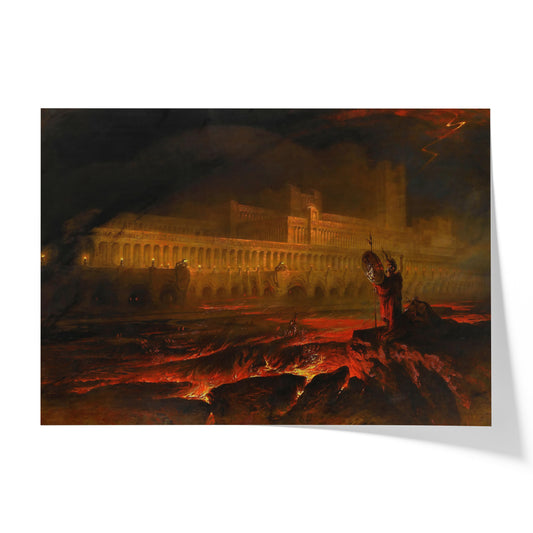
Pandemonium | John Martin | 1841
Regular price From €32,95Regular priceUnit price per -
The Devil's Checkmate | Friedrich August Moritz Retzsch | 1831
Regular price From €32,95Regular priceUnit price per -
Daniel in the Lion's Den | Briton Rivière | 1872
Regular price From €32,95Regular priceUnit price per -
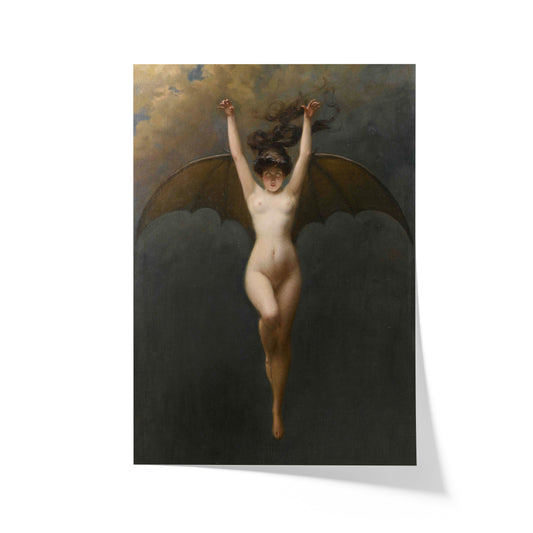
The Bat Woman | Albert Joseph-Pénot | 1890
Regular price From €32,95Regular priceUnit price per


Art Prints
Bright & intensive color spectrum. Best choice if you plan to frame it by yourself/local craft shop.
*Requests framing (frame is not included with this option)
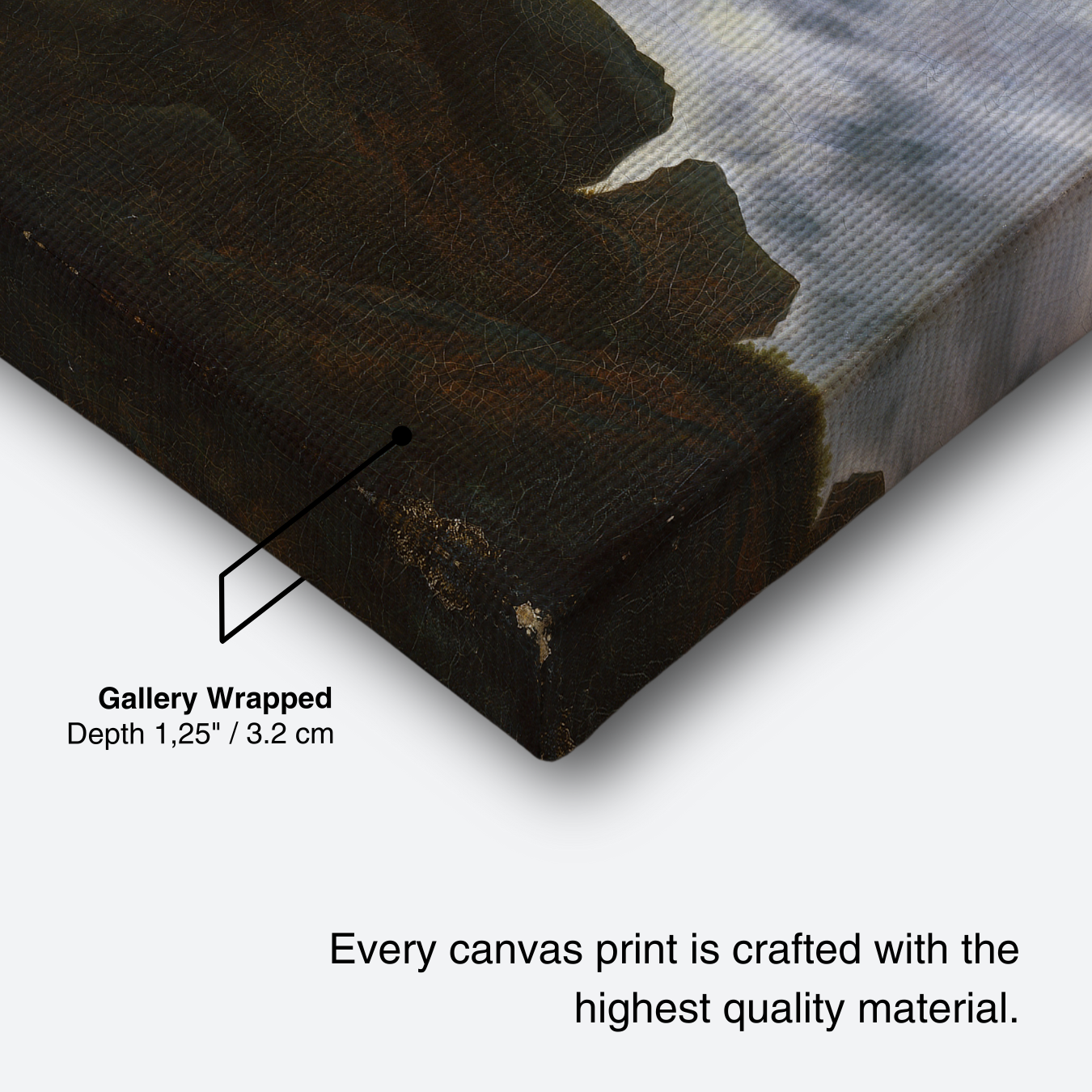
Canvas Features
Our gallery wrapped canvas framed with a wooden frame and ready to hang out of the box with hanging hardware pre-installed.
*Specially coated with poly-cot canvas for the highest durability and best color vibrancy. Archival grade canvas.

Black Frame
Black floating frame is a popular add-on to any canvas during the purchase. The frame is build using our proprietary profile radial pine, and coated with black graphite that gives it a gallery quality, luxurious matte finish.
Mobile Case Collection
-
The Fallen Angel | Alexandre Cabanel | 1847
Regular price From €35,00Regular priceUnit price per -
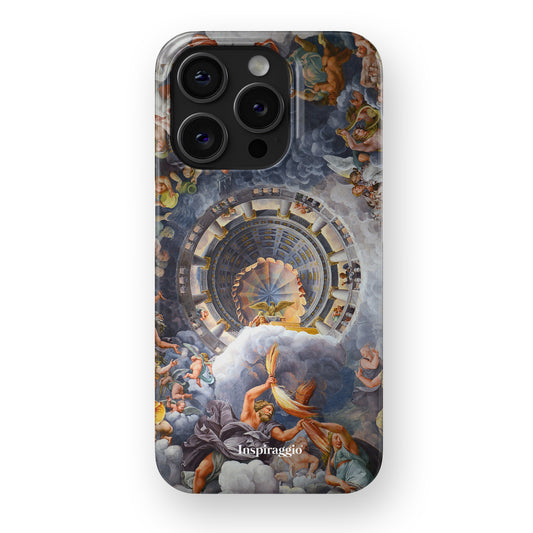
The Fall Of Giants | Giulio Romano | 1522
Regular price From €35,00Regular priceUnit price per -
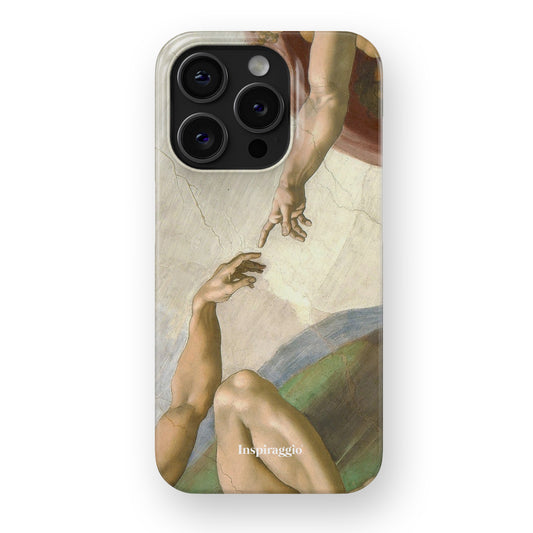
The Creation of Adam | Michelangelo Buonarroti | 1508-1512
Regular price From €35,00Regular priceUnit price per -
Stańczyk | Jan Matejko | 1862
Regular price From €35,00Regular priceUnit price per


-

-

Lifetime Guarantee
Returns & ExchangesWe have confidence in our materials; your order comes with a lifetime guarantee.
-

We're Here To Help
Customer ServiceWe want to make your experience amazing! Our team is ready to help.
