



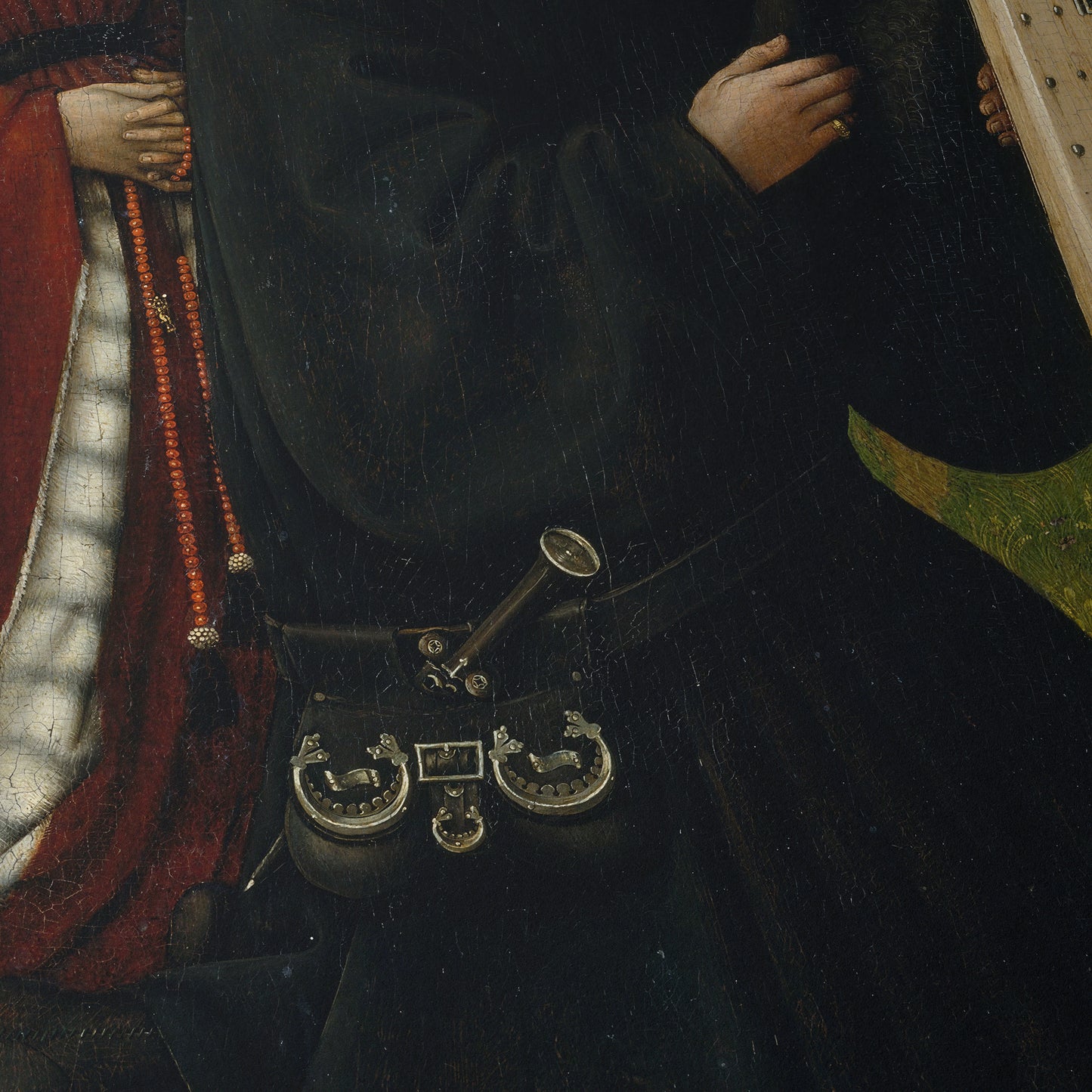
- Title Annunciation Triptych (Mérode Altarpiece) — left wing, The Donors
- Artist Workshop of Robert Campin (Early Netherlandish painter active in Tournai; probably identical with the anonymous "Master of Flémalle"; c. 1375 - Tournai, 26 April 1444)
- Year of creation . 1427-1432 (the left wing of the Annunciation Triptych. The central Annunciation panel was painted first, probably c. 1425-1428, and the two wings were added shortly thereafter at the donor's request to elevate the existing devotional image into a full triptych. The donor panel depicts the painting's patrons — a kneeling male donor and his wife — in an enclosed walled garden, the hortus conclusus that symbolises the virginity of Mary, with the door to the Virgin's domestic interior open before them so that they can witness the Annunciation taking place in the next compartment. The exact identity of the donors remains contested: scholarly identification through coats of arms has not produced a definitive result, but the heraldic shield on the central panel's left-hand window has been securely identified by Hugo von Tschudi as belonging to a family Imbrechts / Inghelbrechts / Engelbrecht, members of which lived in Mechelen and Cologne and traded with Tournai in the 1420s. Helmut Nickel's 1966 study added that the small bearded figure standing further back in the doorway is dressed in a costume characteristic of a Mechelen town messenger and bears the arms of the city of Mechelen — three red pales on gold — on his tabard, reinforcing the Mechelen connection. The female donor appears to have been added at a later stage, perhaps when the original patron married, which would account for her slightly awkward placement just behind her husband. The altarpiece — small, portable, intended for private domestic devotion in a wealthy bourgeois household rather than for a church altar — is one of the founding monuments of Early Netherlandish painting. The Metropolitan now attributes the work to the "Workshop of Robert Campin" rather than to Campin alone, reflecting the long-running scholarly debate over Campin's identity with the so-called Master of Flémalle and the participation of his assistants Jacques Daret and the young Rogier van der Weyden; recent technical study has even suggested that the three panels are by three different hands)
- Technique/Medium Oil on oak panel
- Original dimensions Left wing (Donors): 64.5 x 27.3 cm (overall open triptych: 64.5 x 117.8 cm; central panel 64.1 x 63.2 cm)
- Collection/Museum The Cloisters, Metropolitan Museum of Art, New York (Cloisters Collection, accession 56.70a-c; acquired in 1956 from the Belgian aristocratic Arenberg-Mérode family, whose name became attached to the work after the Princess Augustine van Arenberg received it as a wedding gift from her father upon her marriage to Charles Antoine Ghislain, Count de Mérode, in the nineteenth century)
We provide Worldwide Shipping with tracking to most locations around the world. We operate a global production network, which allows us to produce and deliver orders locally for free. Our production facilities are located in the US, Canada, UK, Spain, and Australia.
Shipping times around the world vary based on your location. Here are our estimated delivery times from the day of purchase:
- US, Canada: 7-10 business days
- Continental US, Alaska and Hawaii: 10-14 business days
- UK: 7-10 business days
- Australia: 7-10 business days
- EU: 10-14 business days
- Rest of the World: 14 business days
Above times are estimates, and include handling time to prepare your order. Business days exclude weekends and holidays. Please refer to the delivery time specific to your shipping address that is presented during the checkout.
We currently ship with the following global shipping partners: FedEx, UPS, DHL, GLS, Canada Post, Royal Mail, Aramex, and Australia Post.
Museum-quality reproductions
Each print is crafted with meticulous care, ensuring every detail captures the essence of the original masterpiece.
This way, you receive the most faithful reproduction possible, bringing the museum experience directly into your home.
Why Choose Us?
Inspiraggio
Amazon
Others
Handcrafted

Museum Quality
Exact Reproductions
+100 Years Guarantee
Support Youtube Channel
Access to Weekly Newsletter
Best Sellers
-
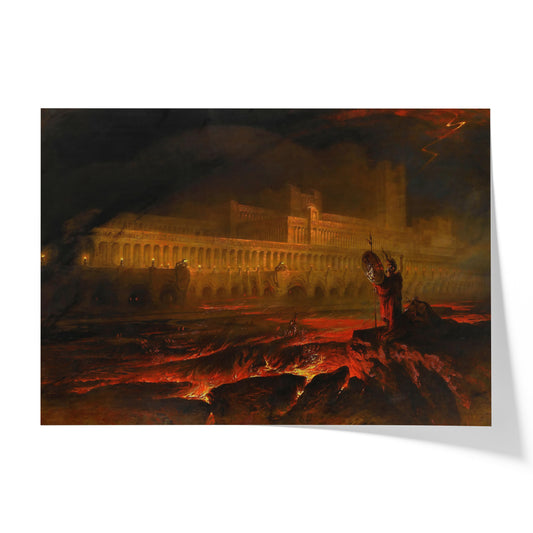
Pandemonium | John Martin | 1841
Regular price From €32,95Regular priceUnit price per -
The Devil's Checkmate | Friedrich August Moritz Retzsch | 1831
Regular price From €32,95Regular priceUnit price per -
Daniel in the Lion's Den | Briton Rivière | 1872
Regular price From €32,95Regular priceUnit price per -
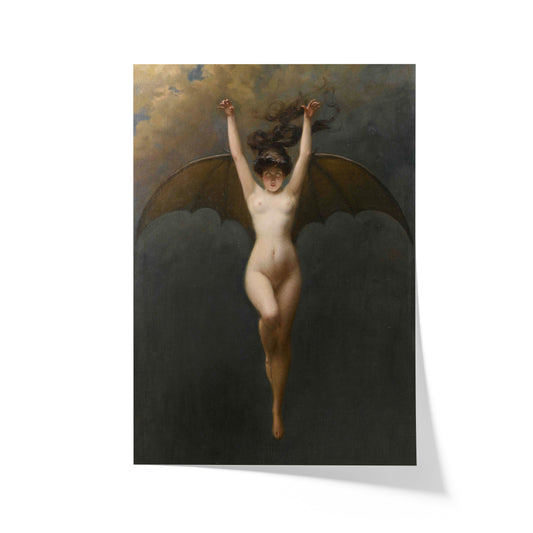
The Bat Woman | Albert Joseph-Pénot | 1890
Regular price From €32,95Regular priceUnit price per


Art Prints
Bright & intensive color spectrum. Best choice if you plan to frame it by yourself/local craft shop.
*Requests framing (frame is not included with this option)
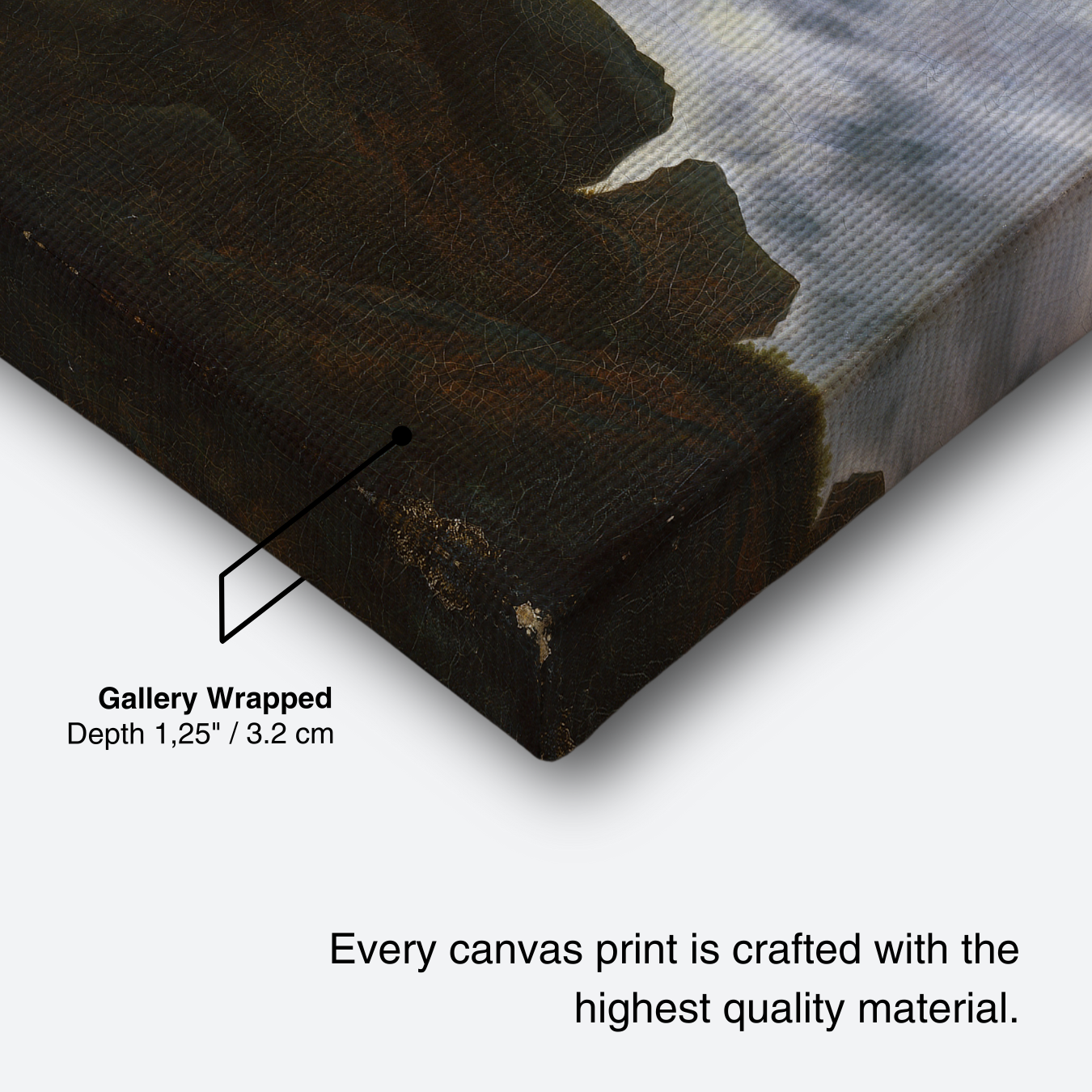
Canvas Features
Our gallery wrapped canvas framed with a wooden frame and ready to hang out of the box with hanging hardware pre-installed.
*Specially coated with poly-cot canvas for the highest durability and best color vibrancy. Archival grade canvas.
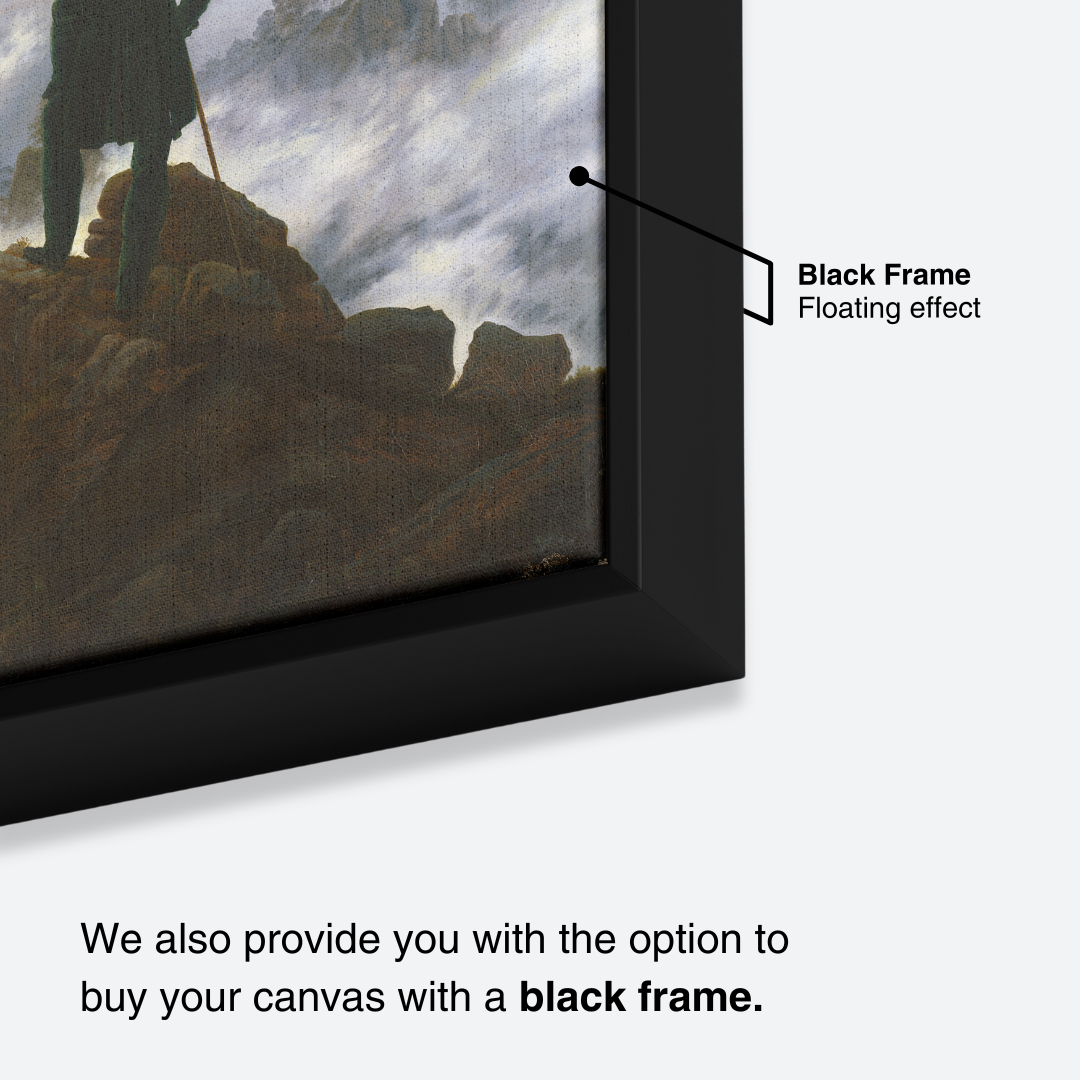
Black Frame
Black floating frame is a popular add-on to any canvas during the purchase. The frame is build using our proprietary profile radial pine, and coated with black graphite that gives it a gallery quality, luxurious matte finish.
Mobile Case Collection
-
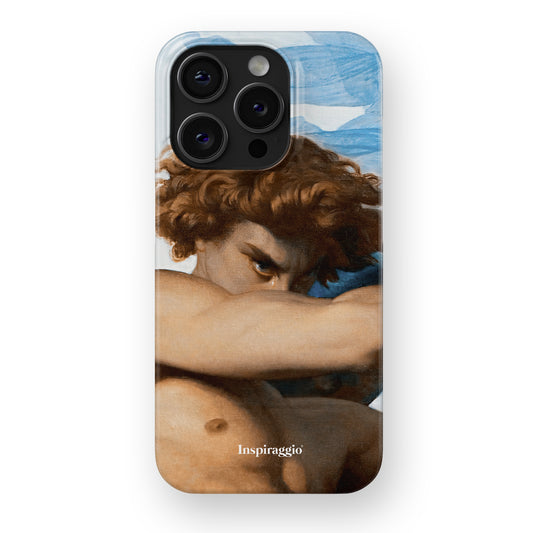
The Fallen Angel | Alexandre Cabanel | 1847
Regular price From €35,00Regular priceUnit price per -
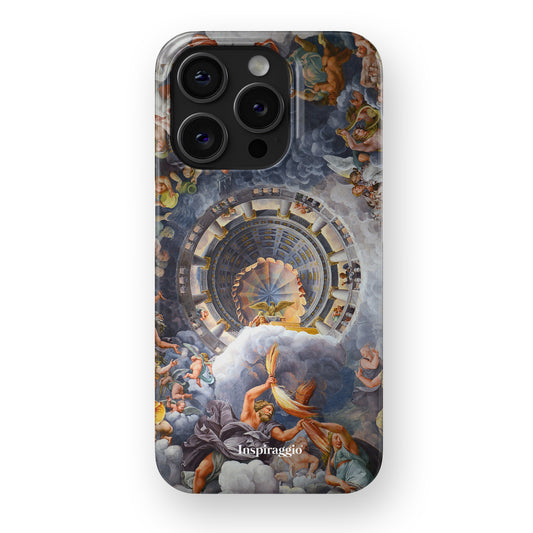
The Fall Of Giants | Giulio Romano | 1522
Regular price From €35,00Regular priceUnit price per -
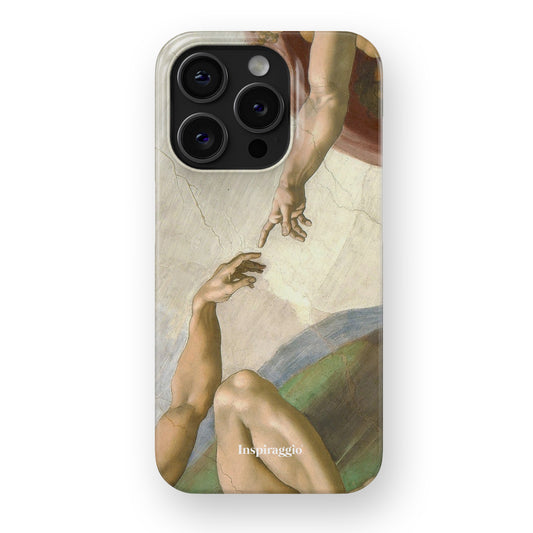
The Creation of Adam | Michelangelo Buonarroti | 1508-1512
Regular price From €35,00Regular priceUnit price per -
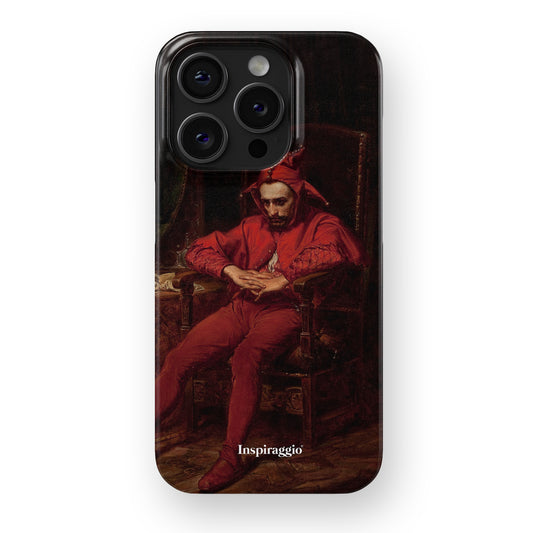
Stańczyk | Jan Matejko | 1862
Regular price From €35,00Regular priceUnit price per
-

-

Lifetime Guarantee
Returns & ExchangesWe have confidence in our materials; your order comes with a lifetime guarantee.
-

We're Here To Help
Customer ServiceWe want to make your experience amazing! Our team is ready to help.
