



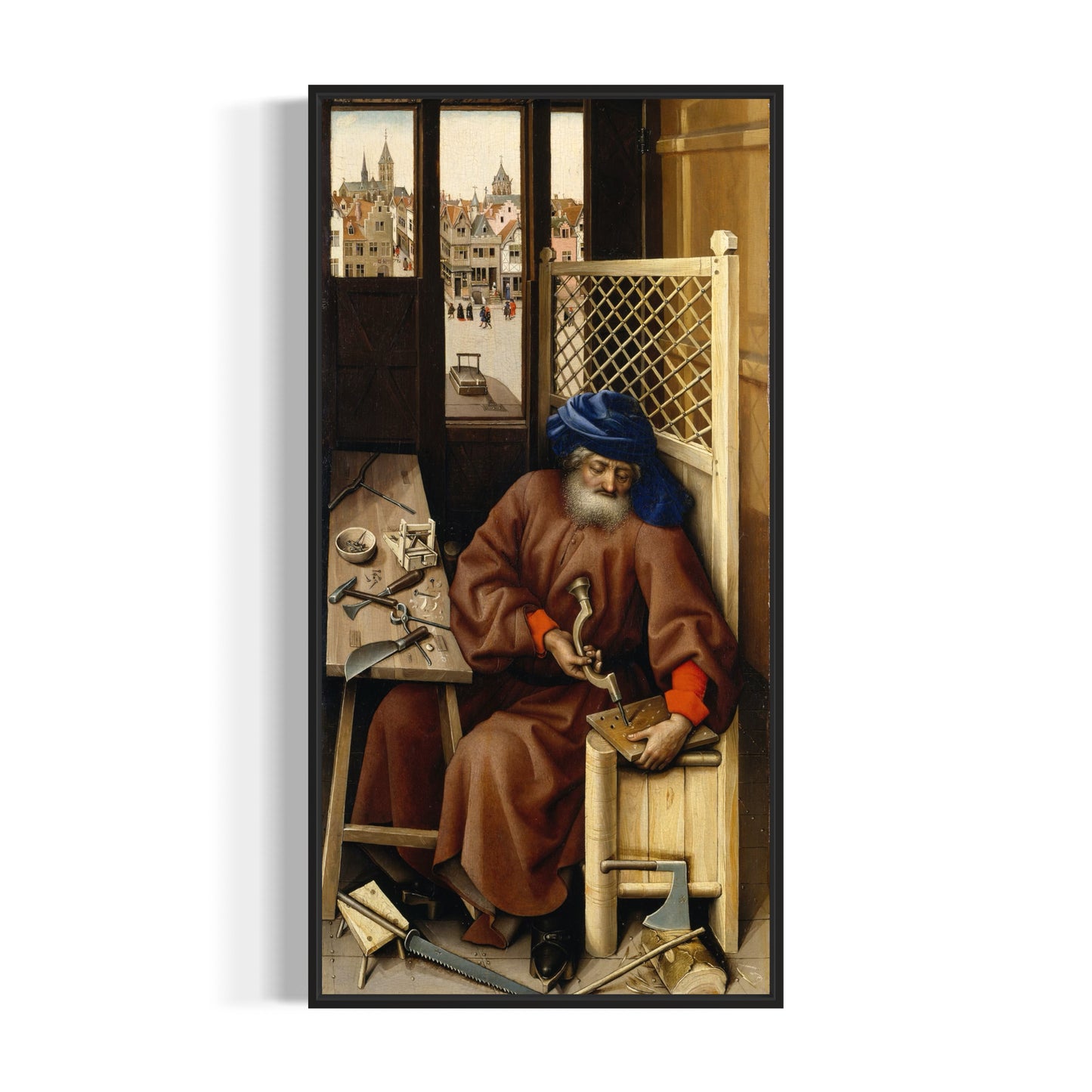
- Title Triptych (Mérode Altarpiece) — right wing, Saint Joseph in his Workshop
- Artist Workshop of Robert Campin (Early Netherlandish painter active in Tournai; probably identical with the anonymous "Master of Flémalle"; c. 1375 - Tournai, 26 April 1444)
- Year of creation c. 1427-1432 (the right wing of the Annunciation Triptych. As with the donor wing on the left, the Joseph panel was added shortly after the central Annunciation was completed, probably between c. 1427 and c. 1432, by a member of the Campin workshop — recent technical study suggests that the three panels of the altarpiece may each be by a different hand. The wing shows Saint Joseph as a working carpenter in his urban workshop, surrounded by the tools of his trade — adze, saw, hammer, pliers, an auger and a workbench — and currently engaged in drilling holes into a small wooden board. The boards he has just finished are placed on the windowsill, and the object he is making is conventionally identified by Meyer Schapiro [in his pioneering 1945 essay "Muscipula Diaboli, The Symbolism of the Mérode Altarpiece"] as a mousetrap — a learned theological reference to St Augustine's image of the Incarnation as the divine mousetrap baited with the blood of Christ to catch the devil [crux Domini muscipula diaboli], so that Joseph, the silent earthly father, is shown labouring on the very instrument of redemption. A second finished mousetrap sits on the windowsill outside, looking onto the street. Beyond the window stretches a meticulously observed contemporary Flemish town square, complete with shops, passers-by, and overhanging gabled houses, providing one of the earliest detailed urban cityscapes in Western painting. The light entering Joseph's workshop and that flooding the Annunciation chamber in the central panel are consistent with one another, unifying the three compartments as a single continuous spatial and spiritual event. The two coats of arms in the central panel's windows have been associated by Tschudi with the Imbrechts / Inghelbrechts / Engelbrecht family of Mechelen and Cologne. The altarpiece is one of the founding monuments of Early Netherlandish painting and of disguised symbolism, in which sacred meanings are embedded in the meticulously rendered everyday objects of a contemporary bourgeois interior. The Metropolitan now attributes the work to the "Workshop of Robert Campin")
- Technique/Medium Oil on oak panel
- Original dimensions Right wing (Joseph): 64.5 x 27.3 cm (overall open triptych: 64.5 x 117.8 cm; central panel 64.1 x 63.2 cm)
- Collection/Museum The Cloisters, Metropolitan Museum of Art, New York (Cloisters Collection, accession 56.70a-c; acquired in 1956 from the Belgian aristocratic Arenberg-Mérode family)
We provide Worldwide Shipping with tracking to most locations around the world. We operate a global production network, which allows us to produce and deliver orders locally for free. Our production facilities are located in the US, Canada, UK, Spain, and Australia.
Shipping times around the world vary based on your location. Here are our estimated delivery times from the day of purchase:
- US, Canada: 7-10 business days
- Continental US, Alaska and Hawaii: 10-14 business days
- UK: 7-10 business days
- Australia: 7-10 business days
- EU: 10-14 business days
- Rest of the World: 14 business days
Above times are estimates, and include handling time to prepare your order. Business days exclude weekends and holidays. Please refer to the delivery time specific to your shipping address that is presented during the checkout.
We currently ship with the following global shipping partners: FedEx, UPS, DHL, GLS, Canada Post, Royal Mail, Aramex, and Australia Post.
Museum-quality reproductions
Each print is crafted with meticulous care, ensuring every detail captures the essence of the original masterpiece.
This way, you receive the most faithful reproduction possible, bringing the museum experience directly into your home.
Why Choose Us?
Inspiraggio
Amazon
Others
Handcrafted

Museum Quality
Exact Reproductions
+100 Years Guarantee
Support Youtube Channel
Access to Weekly Newsletter
Best Sellers
-
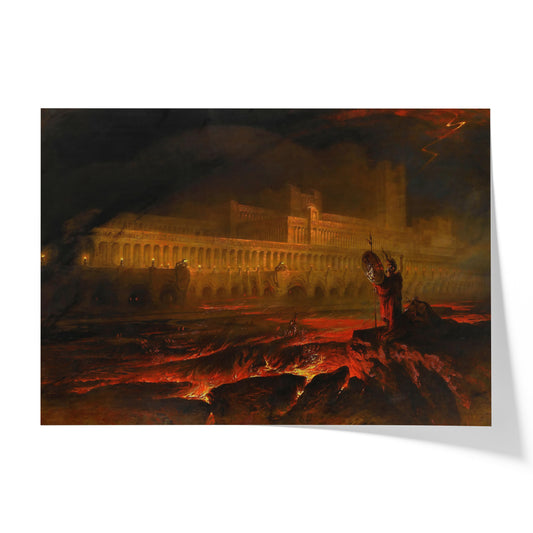
Pandemonium | John Martin | 1841
Regular price From €32,95Regular priceUnit price per -
The Devil's Checkmate | Friedrich August Moritz Retzsch | 1831
Regular price From €32,95Regular priceUnit price per -
Daniel in the Lion's Den | Briton Rivière | 1872
Regular price From €32,95Regular priceUnit price per -
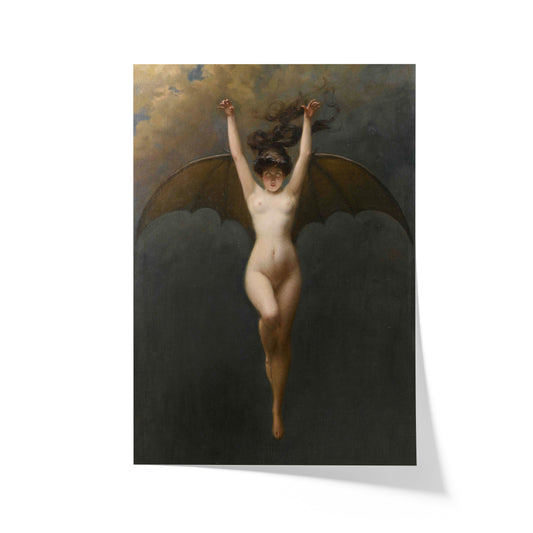
The Bat Woman | Albert Joseph-Pénot | 1890
Regular price From €32,95Regular priceUnit price per


Art Prints
Bright & intensive color spectrum. Best choice if you plan to frame it by yourself/local craft shop.
*Requests framing (frame is not included with this option)
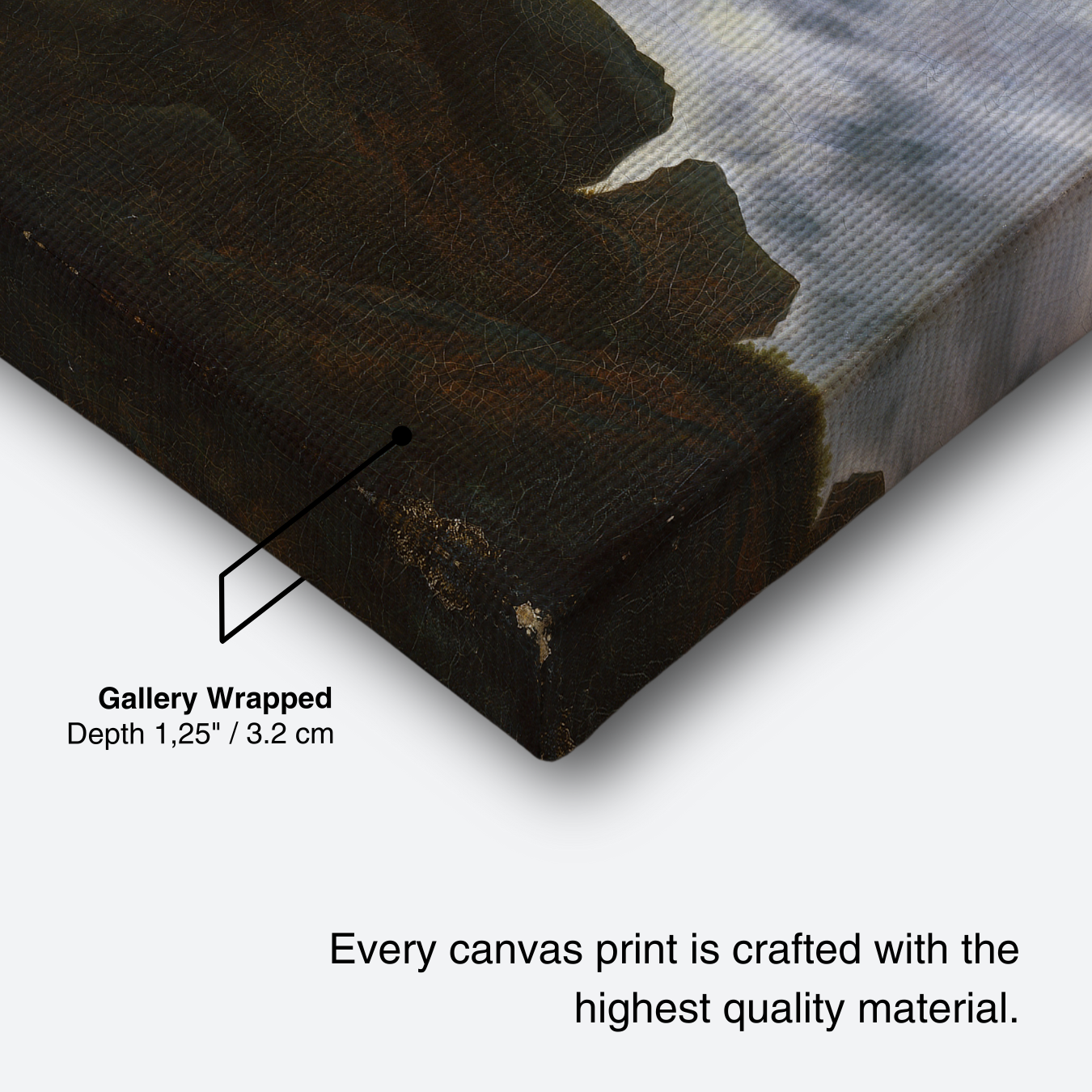
Canvas Features
Our gallery wrapped canvas framed with a wooden frame and ready to hang out of the box with hanging hardware pre-installed.
*Specially coated with poly-cot canvas for the highest durability and best color vibrancy. Archival grade canvas.
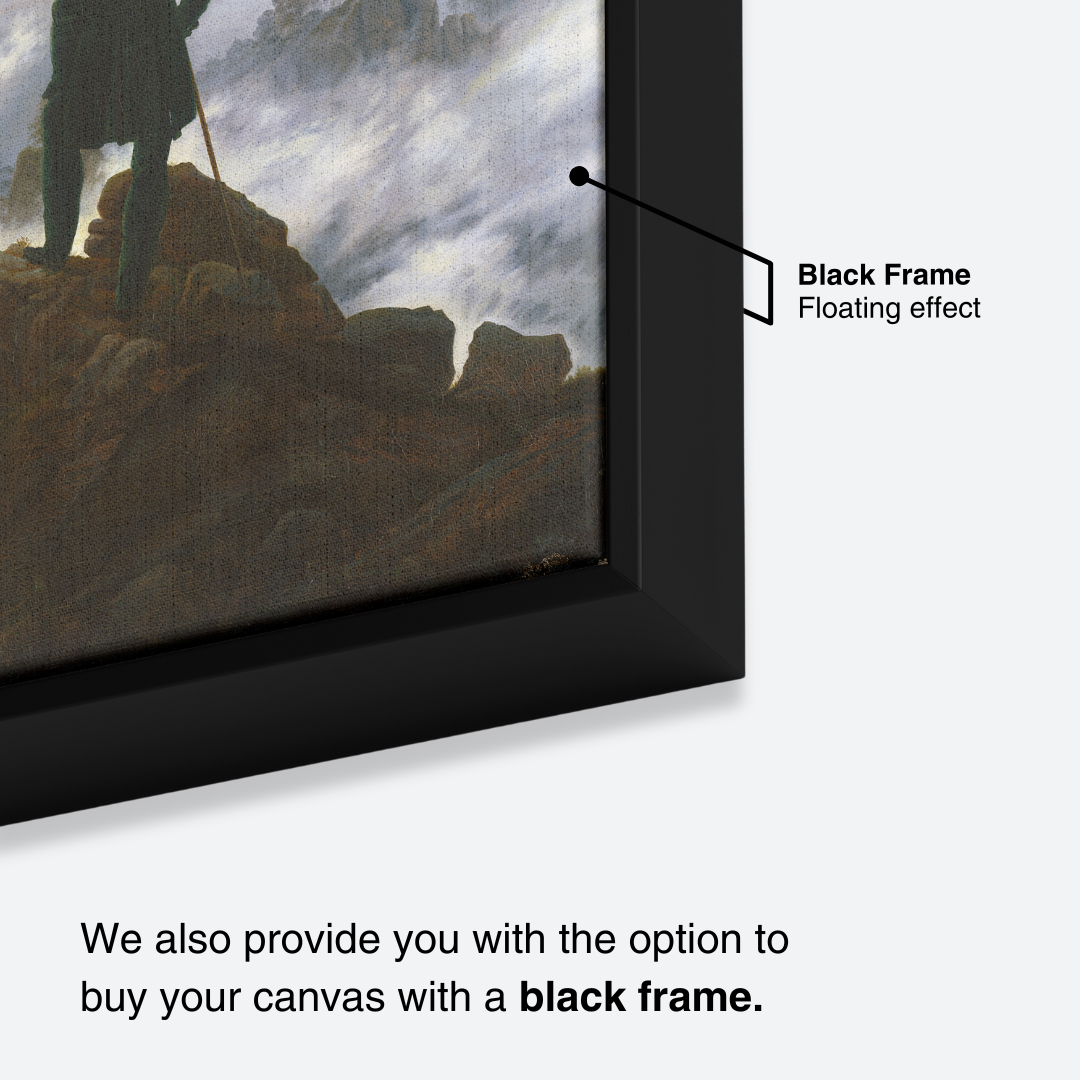
Black Frame
Black floating frame is a popular add-on to any canvas during the purchase. The frame is build using our proprietary profile radial pine, and coated with black graphite that gives it a gallery quality, luxurious matte finish.
Mobile Case Collection
-
The Fallen Angel | Alexandre Cabanel | 1847
Regular price From €35,00Regular priceUnit price per -
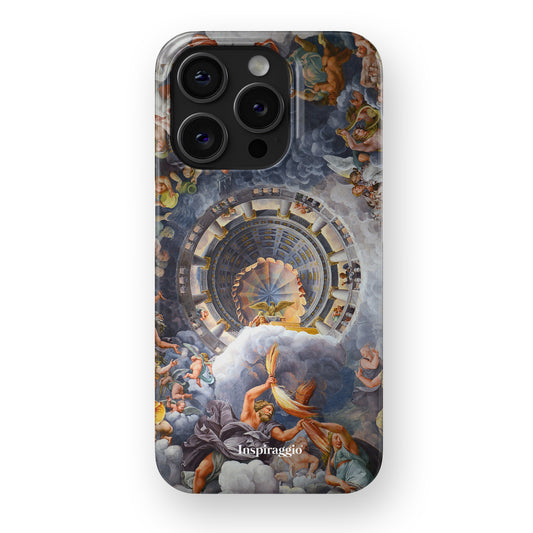
The Fall Of Giants | Giulio Romano | 1522
Regular price From €35,00Regular priceUnit price per -
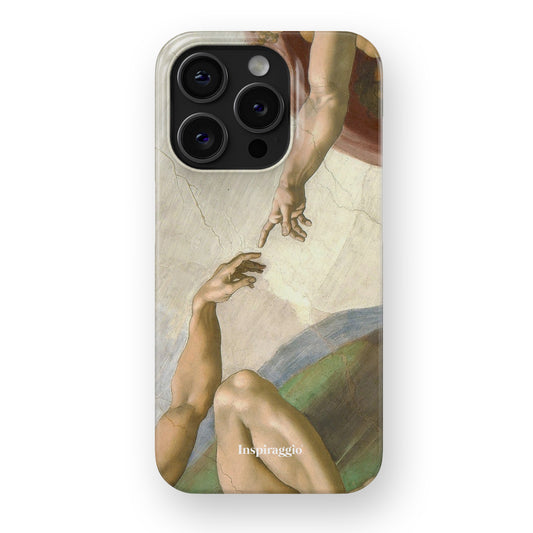
The Creation of Adam | Michelangelo Buonarroti | 1508-1512
Regular price From €35,00Regular priceUnit price per -
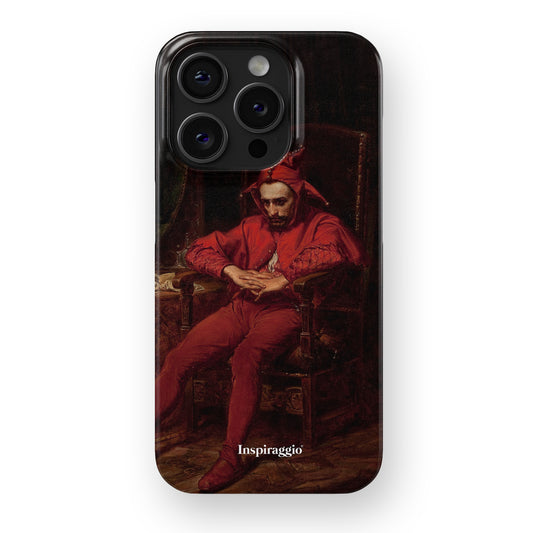
Stańczyk | Jan Matejko | 1862
Regular price From €35,00Regular priceUnit price per

-

-

Lifetime Guarantee
Returns & ExchangesWe have confidence in our materials; your order comes with a lifetime guarantee.
-

We're Here To Help
Customer ServiceWe want to make your experience amazing! Our team is ready to help.
