


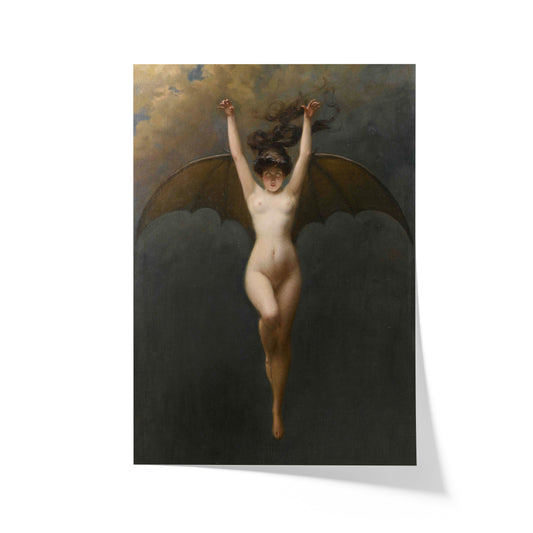


Very happy with product.


We provide Worldwide Shipping with tracking to most locations around the world. We operate a global production network, which allows us to produce and deliver orders locally for free. Our production facilities are located in the US, Canada, UK, Spain, and Australia.
Shipping times around the world vary based on your location. Here are our estimated delivery times from the day of purchase:
Above times are estimates, and include handling time to prepare your order. Business days exclude weekends and holidays. Please refer to the delivery time specific to your shipping address that is presented during the checkout.
We currently ship with the following global shipping partners: FedEx, UPS, DHL, GLS, Canada Post, Royal Mail, Aramex, and Australia Post.
Museum-quality reproductions
Each print is crafted with meticulous care, ensuring every detail captures the essence of the original masterpiece.
This way, you receive the most faithful reproduction possible, bringing the museum experience directly into your home.

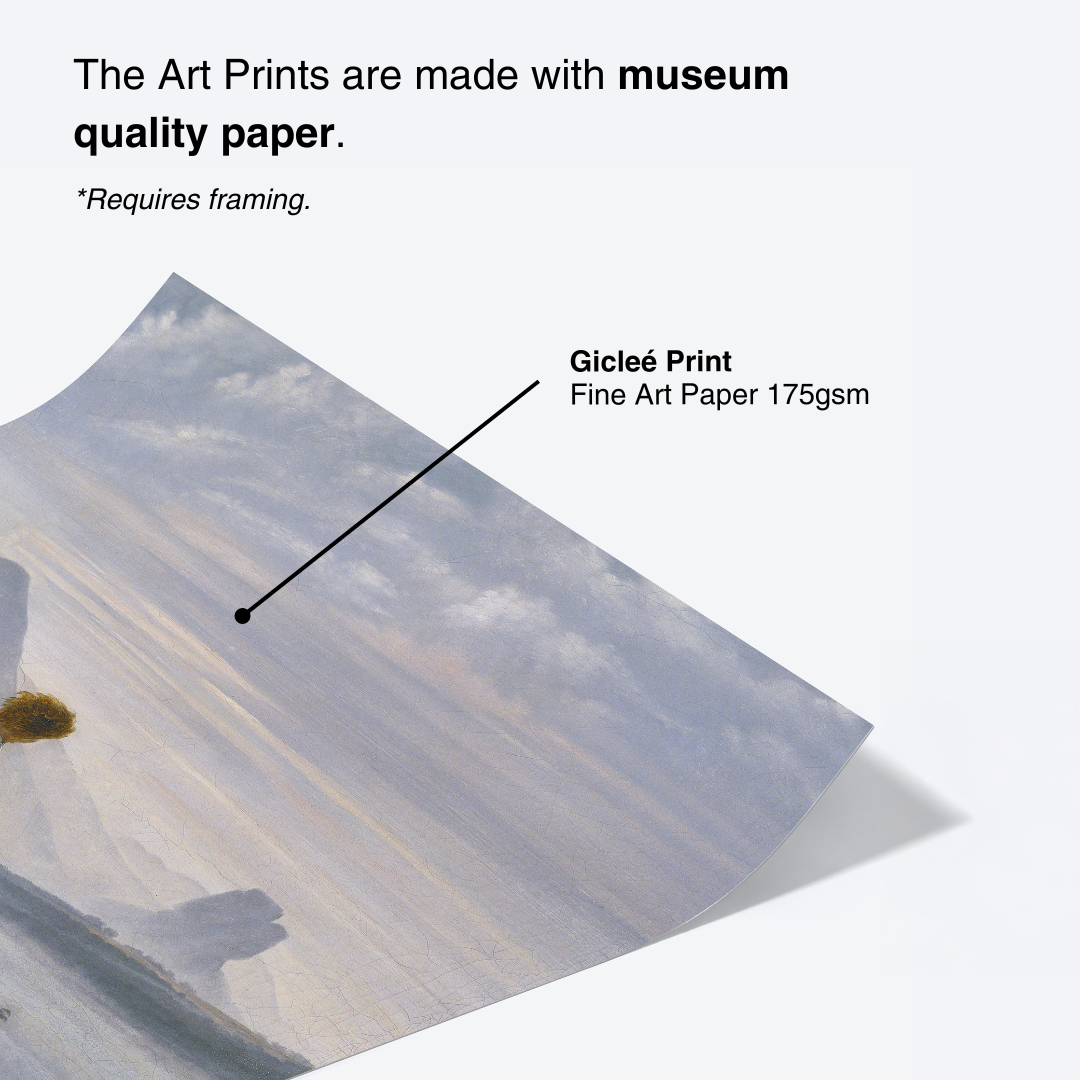
Bright & intensive color spectrum. Best choice if you plan to frame it by yourself/local craft shop.
*Requests framing (frame is not included with this option)
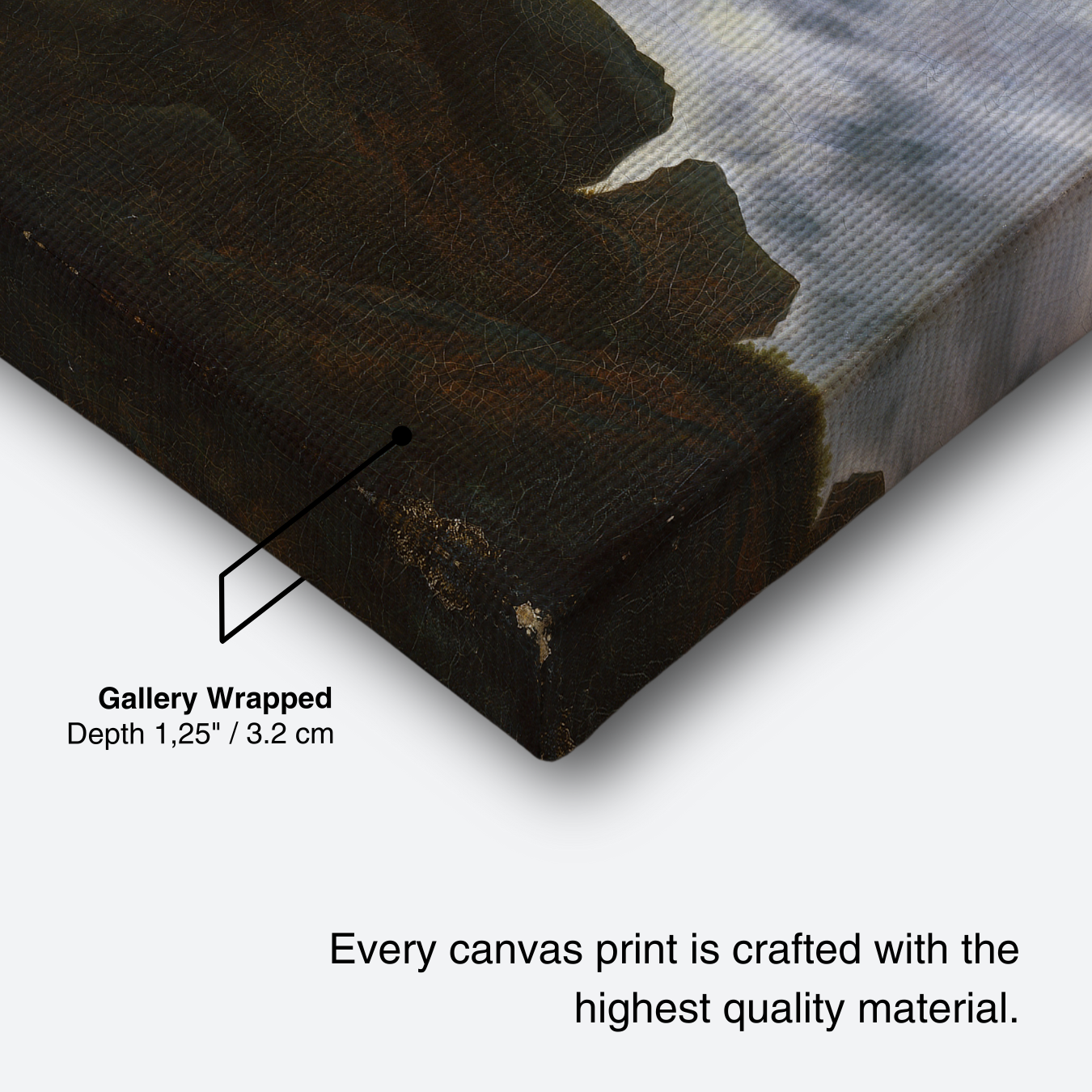
Our gallery wrapped canvas framed with a wooden frame and ready to hang out of the box with hanging hardware pre-installed.
*Specially coated with poly-cot canvas for the highest durability and best color vibrancy. Archival grade canvas.
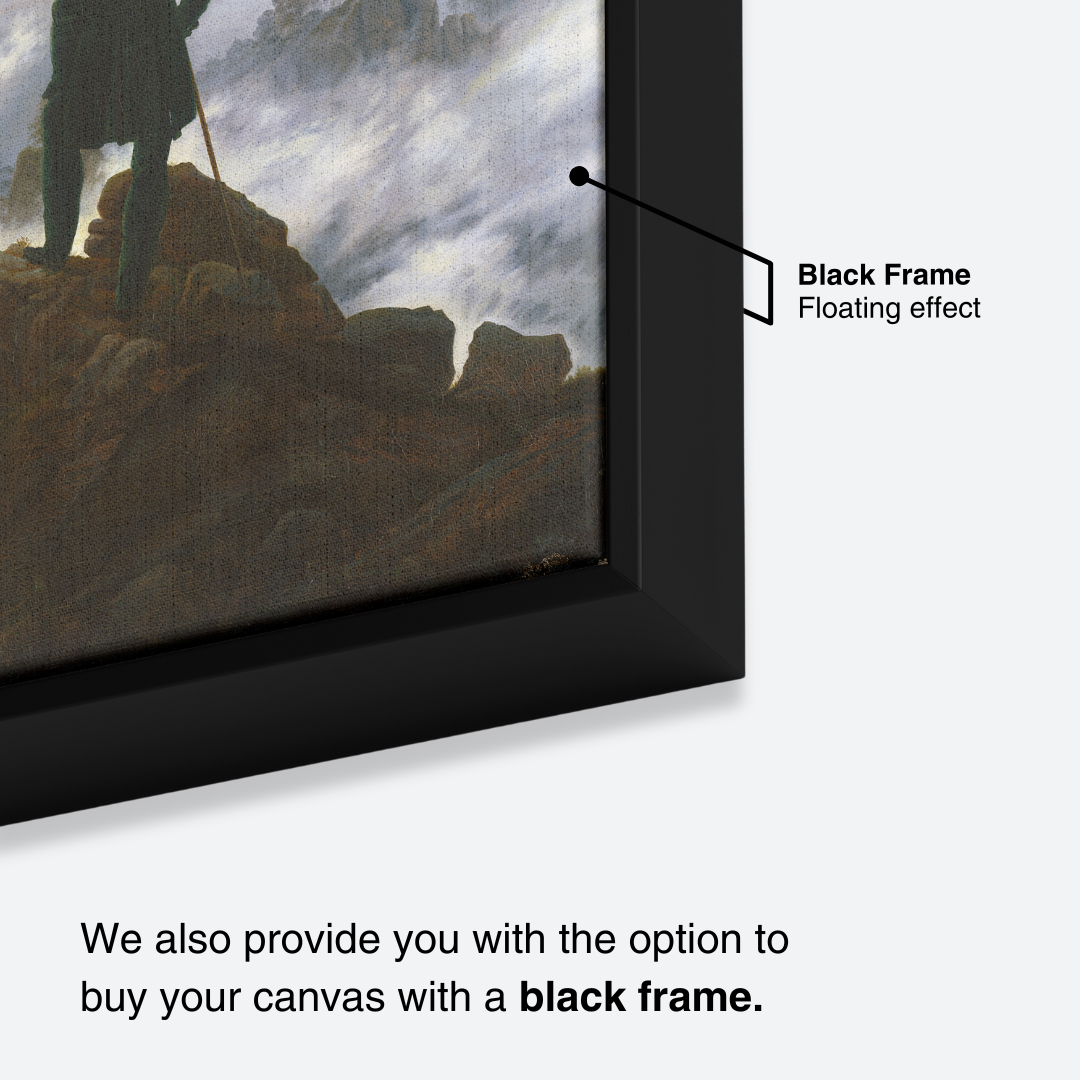
Black floating frame is a popular add-on to any canvas during the purchase. The frame is build using our proprietary profile radial pine, and coated with black graphite that gives it a gallery quality, luxurious matte finish.
Overall rating: 4.8 / 5 from 1784 reviews.
Very happy with product.

I simply love the portrait of the three black cats! - flawless print, elegant frame and quick shipping with sufficient packaging. I will be coming back for more! Thank you! <3

The print was very high quality. Heavy paper, deep colors. Exactly what I had hoped for.

Excellent quality! Very impressed! Hangs next to my desk as I work. Inspiring! Saw the original at the Vatican Museum. I will be buying more.

Fantastic detail and colour reproduction. This is my 9th painting from Inspiragio with 4 to go. Fabulous

Amazing

大きくて存在感があるのに軽いので安心して壁にかけられました!気に入っています。

Masterpiece of a case! Very high quality print paired with quality materials.

I wish it was a little sharper.

I absolutely love the painting. I just need to center it a little bit more but I couldn’t wait to have it on my wall. Thank you so much!!
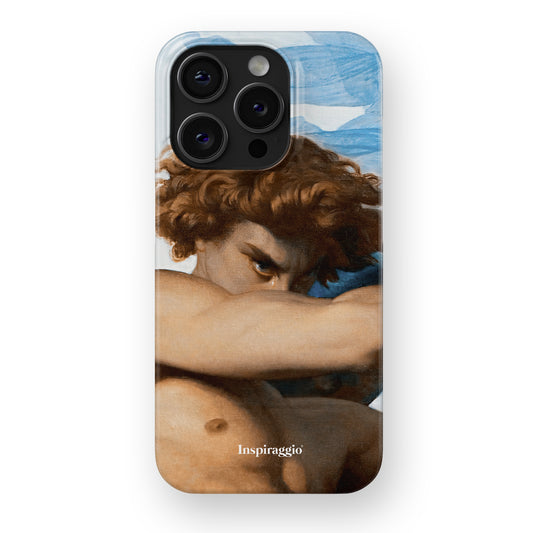
The Devil's Checkmate | Friedrich August Moritz Retzsch | 1831

GREAT QUALITY AND IT LOOKS AMAZING!! I totally love it and is now my favorite phone case!! I’ll definitely buy more

Great shipping. The paper is of good weight and the print quality is fantastic. Centerpiece!

It’s always a pleasure getting paintings from you guys! I love them! :-) They are perfect.

Quality is above and beyond! Thick sturdy paper. Packaged safely. Print job is genuinely so good. Very satisfied!

My girlfriend Loves it🥰

Extremely clear and detailed. Photo is the print with museum grade glass. You could look at it a hundred times and still notice a different detail each time.
The Fall of the Rebel Angels | Pieter Bruegel the Elder | 1562

I do live my phone case I can’t wait to get another one

Beautiful print on canvas. Thinking of buying a bigger one for my house as my daughter would love this for her house.

We absolutely love this print! We framed it and displayed it in our sacred space area. Great addition to our decor and a powerful piece of art. Many thanks.

Smooth experience. The image really pops.

The case looks and feels great!

Okay, let me start by saying this is my favorite painting of all time. I love skulls. I am beyond thrilled to own this piece and show it off to all who enter! I cannot believe this was painted in 1533.. It stirs me. 10/10 piece. Easy. I am attaching two photos of the upper left corner where the crucifix lies hidden in plain sight. I am disappointed that the wrap of the canvas wasn't very tight on this one. Because of the loose wrapping.. you can clearly see that the crucifix is mirrored from the printing job and it kind of ruins that corner of the piece because it is a detail you aren't suppose to notice right away. Unfortunately it sticks out in plain view. I plan to take black paint and just tape off the edge and fill the outer edge so the crucifix has a proper corner to inhabit. Although, I am hesitant to try and alter something so expensive.. Not sure what to do.

Great piece!

Brilliant quality, extremely happy with the purchase.

Great experience overall. Fast shipping. Quality print. Thank you!
Allegory of Satan (Lord of the World) | Ludwik Stasiak | c. 1900

Solid as usual. Solid as always. The Last Days of Pompeii is dramatic and moody; just what I wanted. Print quality is sharp, colors are faithful. The artwork is theatrical, and work well on canvas. I'm a history nut and have had a fascination with Pompeii since my teens, so this one had to join my collection. Happy with it.

The print was a very good quality. It looked just like it did online I couldn’t be happier.

Absolutely beautiful piece of art, printed well and in a very nice frame that was packaged and delivered with no damage or issues with the contents.

It’s very cute and durable! I love it!

We made our first purchase from Inspiraggio, The Beheading of St John the Baptist | Caravaggio | 1608. We absolutely love it. The quality and framing are amazing. It changes the whole room. Thanks!!!

I ordered two paintings from Inspiraggio, and both are of incredible quality and remarkably faithful to the originals. The canvas and frame both feel sturdy, and the level of detail is truly impressive. I’m delighted with my purchases and would definitely order from them again in the future

Very pretty. I knew I had to have 'Vanity' when I saw it. 'The Great Red Dragon...' is... great as well. Both quality prints, really like how they look in my apartment.

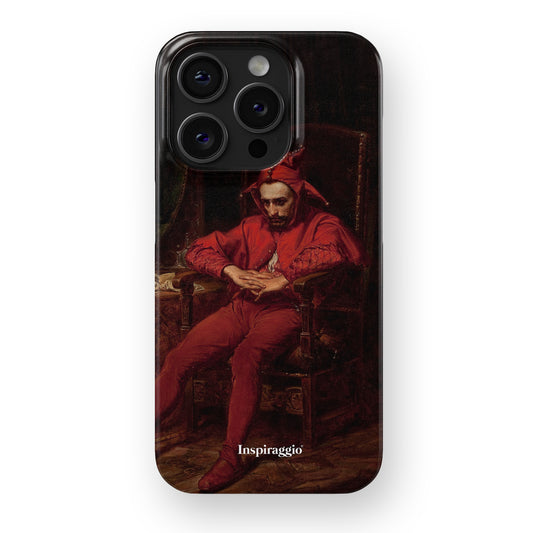
It's a masterpiece! It really fits the horror theme of my office room. It scares my wife but that what I was going for. I will definitely order more photos, not just for me but as gifts as well. I already have "the laughing fool" picture on the way. Thank you guys
Allegory of Satan (Lord of the World) | Ludwik Stasiak | c. 1900

Super Qualität. Bin sehr zufrieden, der Rahmen ist auch makellos.

Great print of an amazing paiting!

Very poorly packaged—thin cardboard; I don't know how it survived shipping. The stretcher frame is too weak, leaving the canvas sagging and barely taut; at least one extra crossbar needs to be added to get the tension up to an acceptable standard. Check pictures, description diameters for package was overestimated few cm.

I love it!

The painting, the quality of the canvas material and the frame are all good.

Fast delivery and picture & frame looked great.

Quality canvas with a clear print and arrived in a very reasonable timescale. Good value for money and a robust frame as well.


We have confidence in our materials; your order comes with a lifetime guarantee.

We want to make your experience amazing! Our team is ready to help.