



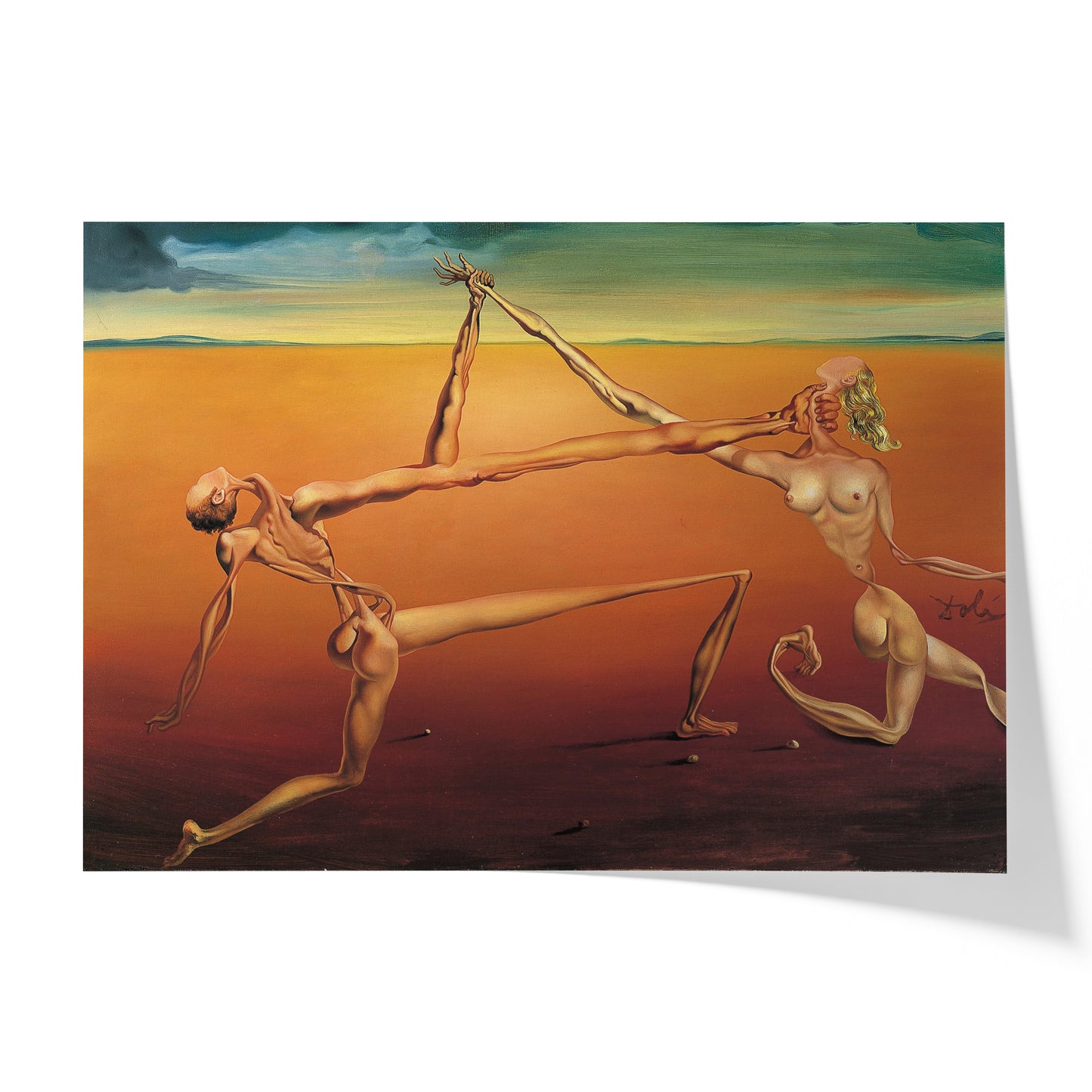
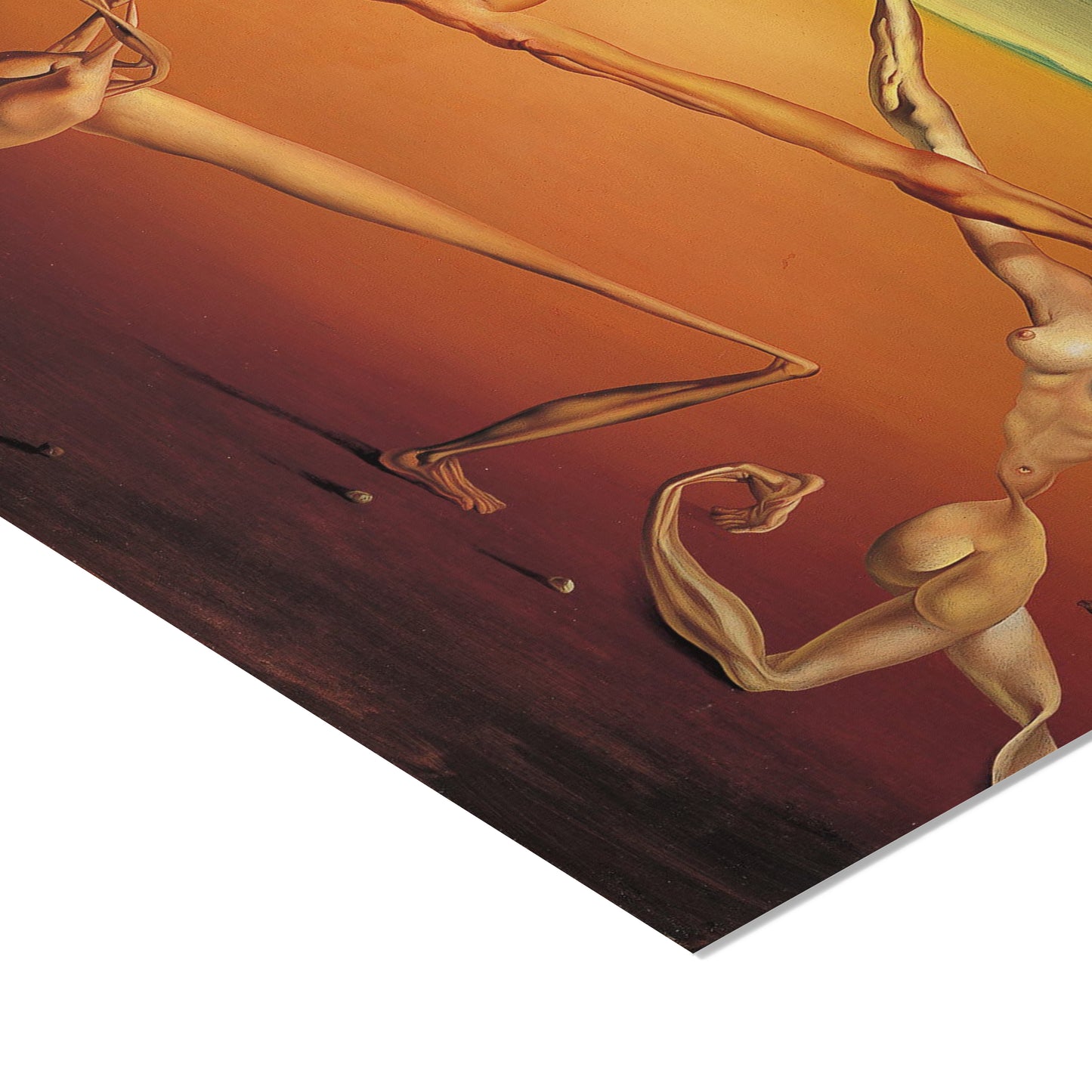
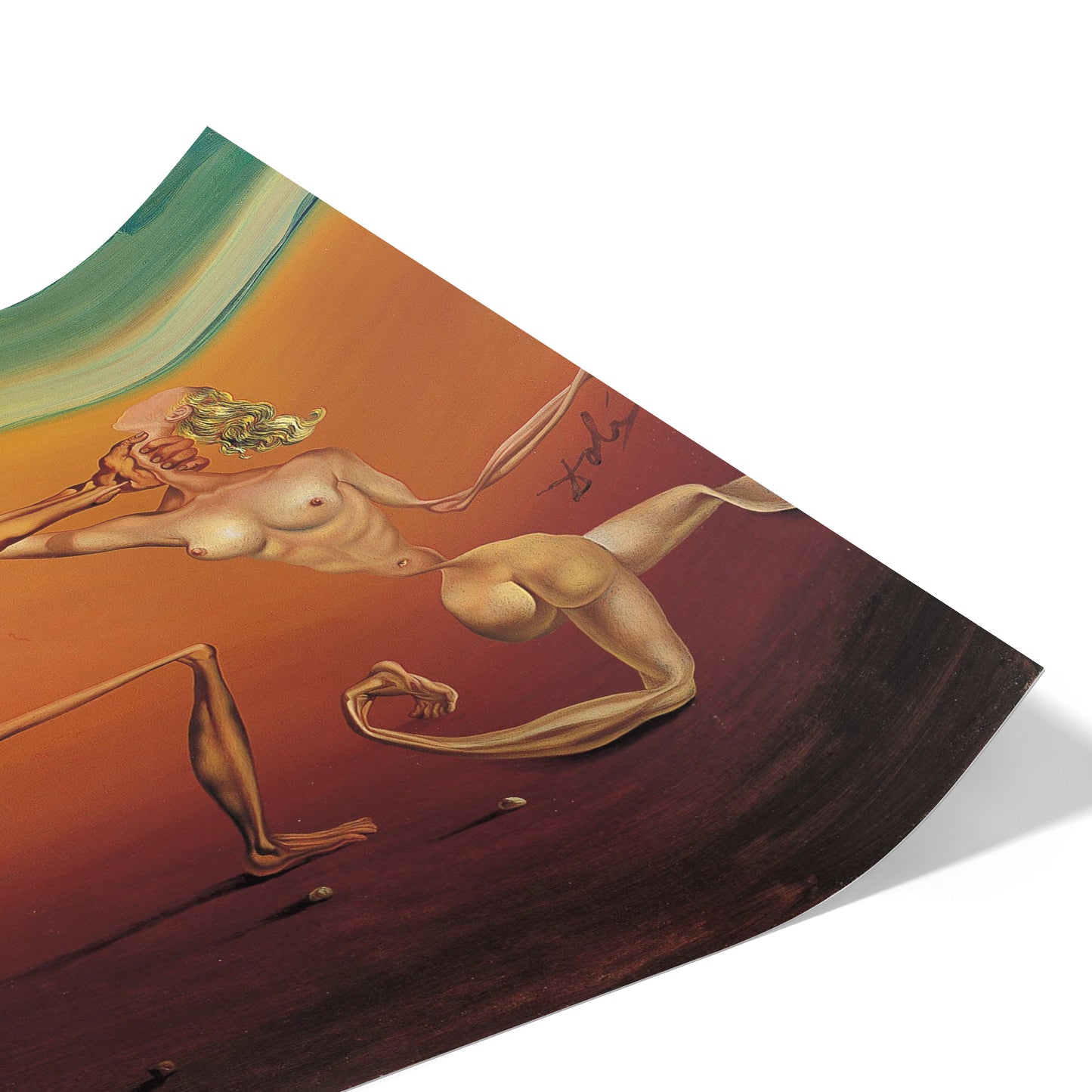
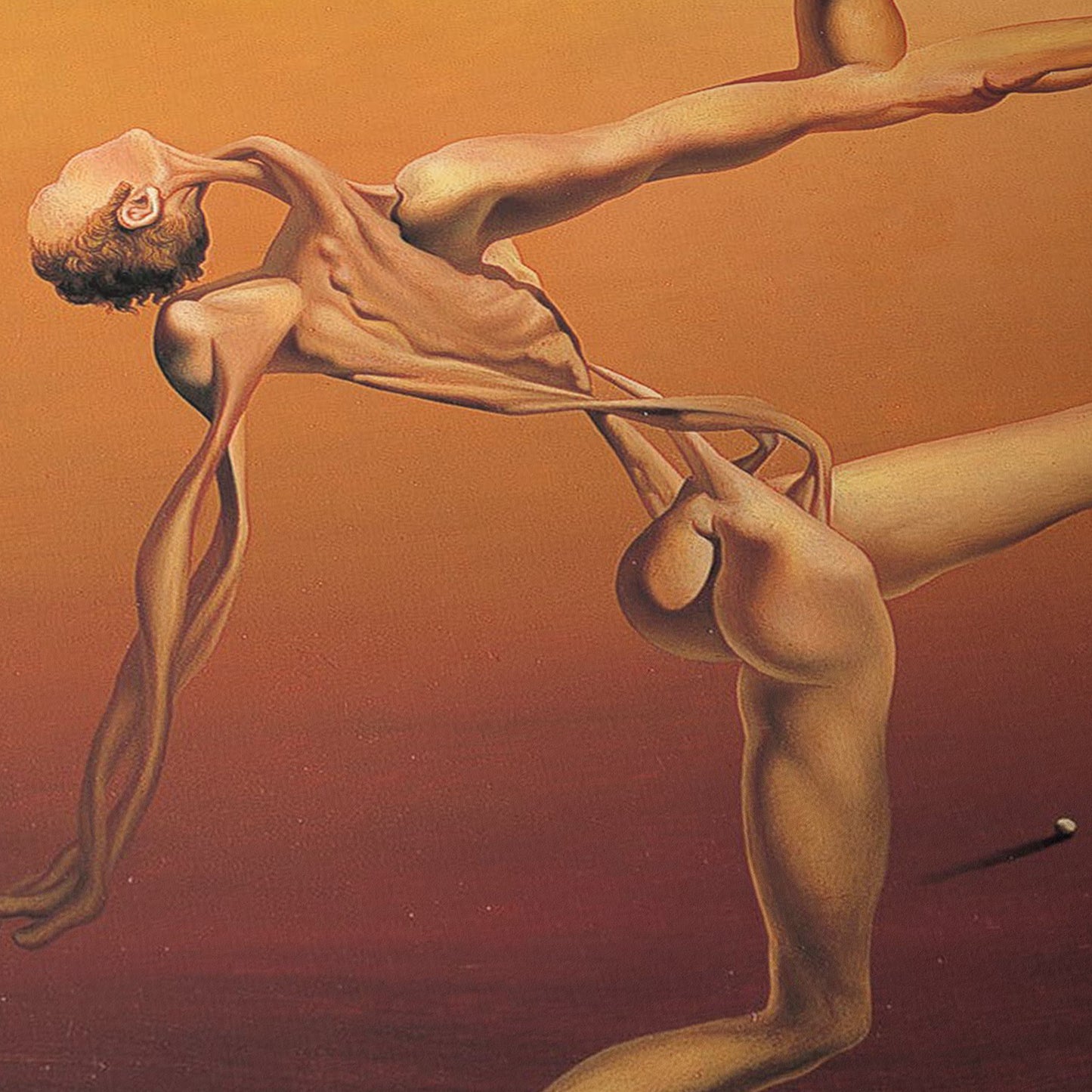
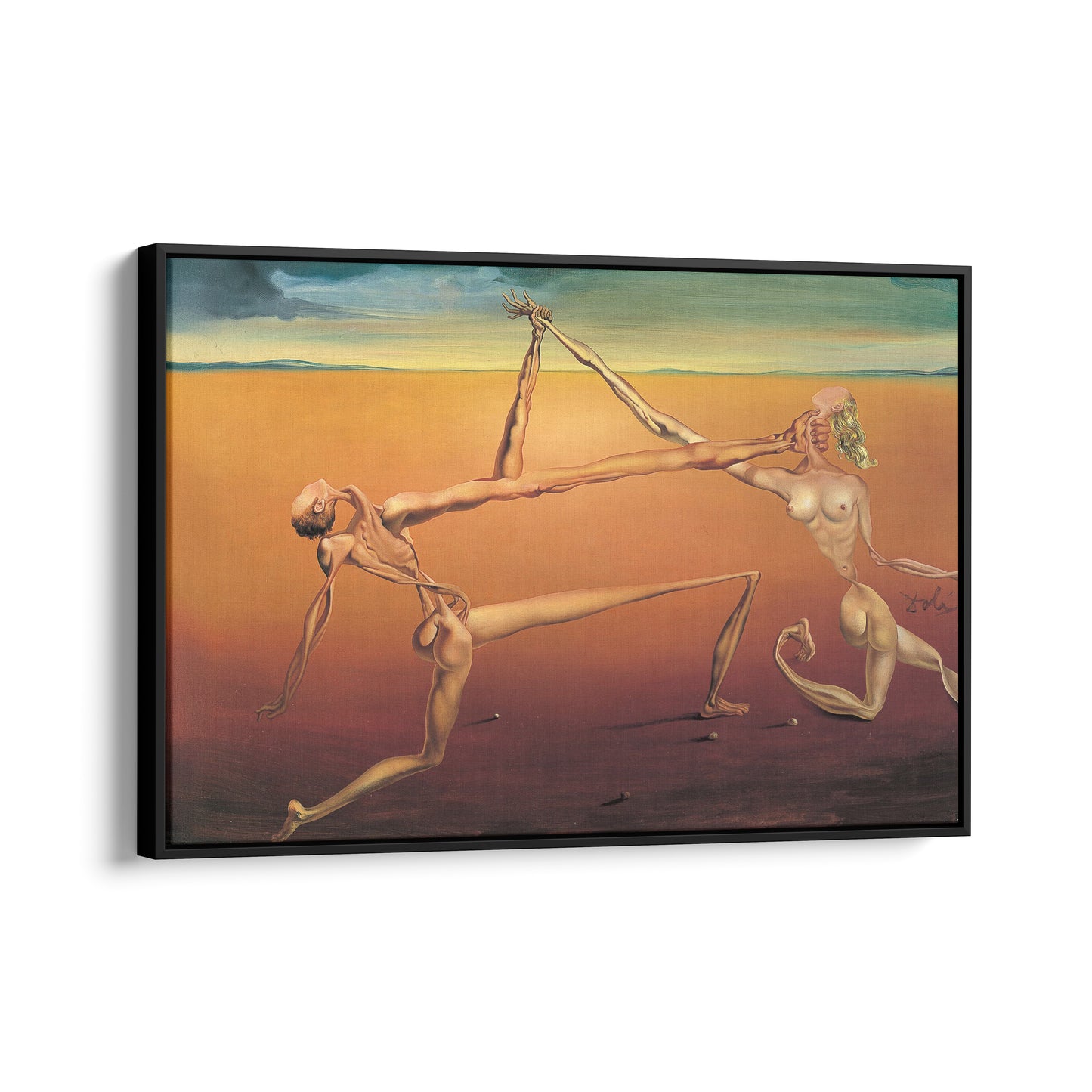
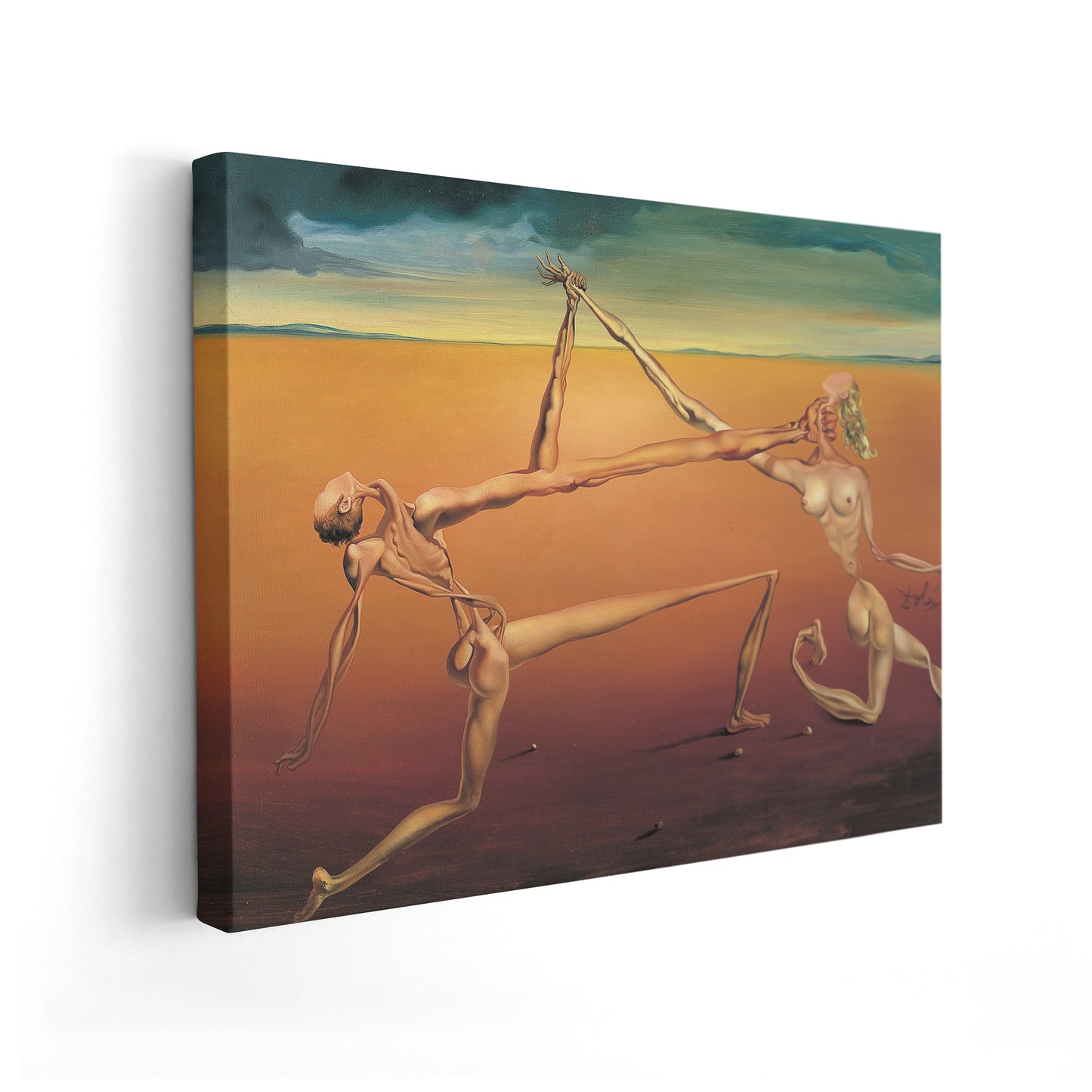
- Title The Dance (La Danse; also titled Rock 'n' Roll, Rock and Roll, or "Dancing. The Seven Lively Arts")
- Artist Salvador Dalí (Salvador Domingo Felipe Jacinto Dalí i Domènech, 1st Marquess of Dalí of Púbol; Catalan Surrealist painter, draughtsman, sculptor, printmaker, filmmaker and writer; Figueres, Catalonia, Spain, 11 May 1904 - Figueres, 23 January 1989)
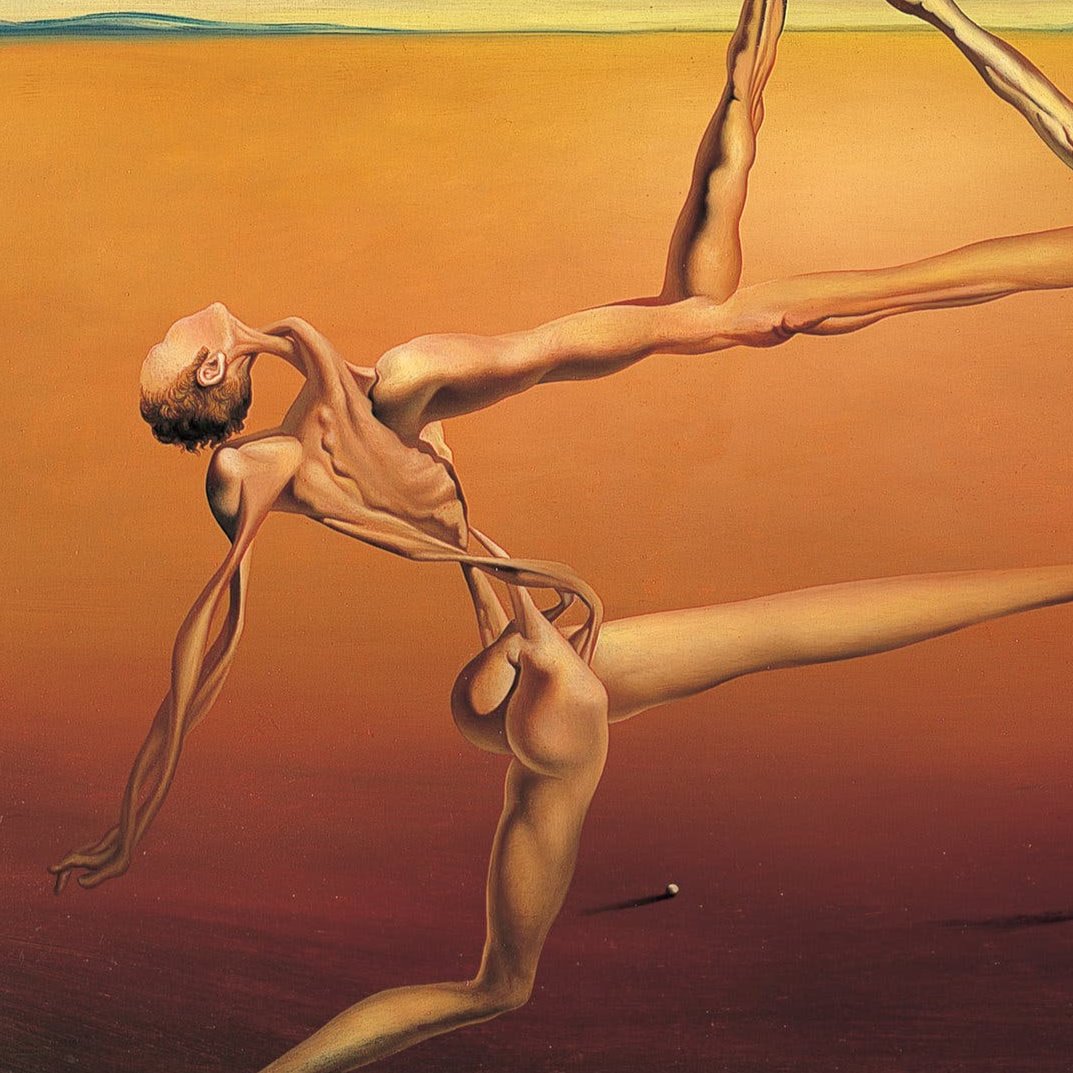
- Year of creation 1957 (the painting is also titled Rock 'n' Roll, Rock and Roll, or Dancing. The Seven Lively Arts in the Fundació Gala-Salvador Dalí catalogue. The genesis is one of the more remarkable stories in Dalí's career. In 1944 the American Broadway impresario Billy Rose, having just bought the Ziegfeld Theatre in New York and reopened it with a glittering revue called The Seven Lively Arts, commissioned Dalí to paint a cycle of seven monumental oil-on-canvas allegories on the show's seven theatrical themes — Opera, Ballet, Cinema, Theatre, Radio, the Art of the Concert, and Boogie-Woogie — to hang in the theatre. After their run at the Ziegfeld the seven canvases were eventually taken to Rose's country house at Mount Kisco, New York, where in April 1956 all seven were destroyed in a house fire. Dalí, in exchange for the compensation Rose had received from the insurance company, agreed to repaint the entire cycle, and over a feverish two-month period in his suite at the St. Regis Hotel in New York in 1957 produced a complete second version of the series — substituting, however, the now-outdated Boogie-Woogie panel with this one, retitled Rock and Roll / La Danse in tribute to the new music sweeping America. The composition shows two attenuated, mask-faced figures locked in a violent embrace that is half-dance, half-combat, set against one of Dalí's typical Cap de Creus / Port Lligat desert horizons, the bodies distorted into surreal twisted forms — a "Dionysiac" rock-and-roll dance whose sexual and aggressive subtext Dalí makes barely metaphorical. Salvador Dalí Catalogue raisonné no. OE 727)
- Technique/Medium Oil on canvas
- Original dimensions approx. 84 x 117 cm (33 x 46 inches)
- Collection/Museum Morohashi Museum of Modern Art, Kitashiobara, Fukushima Prefecture, Japan (the museum opened on 3 June 1999 around the personal Dalí collection of the Japanese entrepreneur Teizo Morohashi, founder of the sporting-goods retailer XEBIO Corporation; it is the third largest Dalí museum in the world and the only one in Asia. The painting bears the Fundació Gala-Salvador Dalí catalogue raisonné number OE 727. Provenance: commissioned by the American Broadway impresario Billy Rose for the Ziegfeld Theatre in New York; lost in the April 1956 fire at Rose's country house in Mount Kisco, NY; repainted by Dalí from the insurance compensation in 1957 in his suite at the St. Regis Hotel, New York; subsequently sold by Rose; entered an unidentified American collection; then acquired by Pablo Escobar and held at his Medellín apartment, where it survived a 1988 car bombing; stolen in 1993 from the home of Escobar's sister-in-law by the vigilante group Los Pepes and later returned to Victoria Eugenia Henao, Escobar's widow; consigned anonymously to Christie's London auction in 1994, where Morohashi acquired it; donated by him to the museum)
We provide Worldwide Shipping with tracking to most locations around the world. We operate a global production network, which allows us to produce and deliver orders locally for free. Our production facilities are located in the US, Canada, UK, Spain, and Australia.
Shipping times around the world vary based on your location. Here are our estimated delivery times from the day of purchase:
- US, Canada: 7-10 business days
- Continental US, Alaska and Hawaii: 10-14 business days
- UK: 7-10 business days
- Australia: 7-10 business days
- EU: 10-14 business days
- Rest of the World: 14 business days
Above times are estimates, and include handling time to prepare your order. Business days exclude weekends and holidays. Please refer to the delivery time specific to your shipping address that is presented during the checkout.
We currently ship with the following global shipping partners: FedEx, UPS, DHL, GLS, Canada Post, Royal Mail, Aramex, and Australia Post.
Museum-quality reproductions
Each print is crafted with meticulous care, ensuring every detail captures the essence of the original masterpiece.
This way, you receive the most faithful reproduction possible, bringing the museum experience directly into your home.
Why Choose Us?
Inspiraggio
Amazon
Others
Handcrafted

Museum Quality
Exact Reproductions
+100 Years Guarantee
Support Youtube Channel
Access to Weekly Newsletter
Best Sellers
-
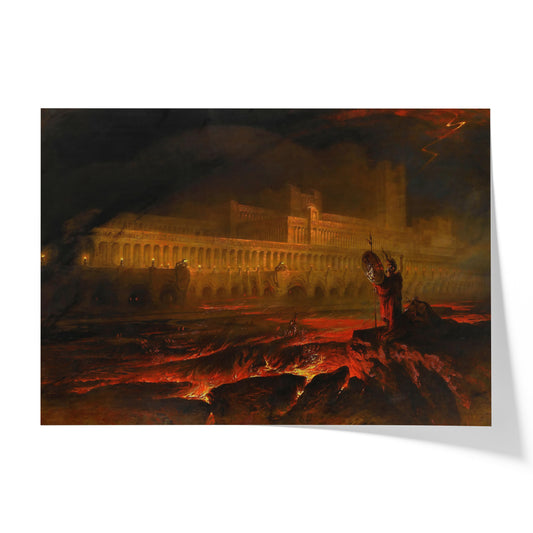
Pandemonium | John Martin | 1841
Regular price From €32,95Regular priceUnit price per -
The Devil's Checkmate | Friedrich August Moritz Retzsch | 1831
Regular price From €32,95Regular priceUnit price per -
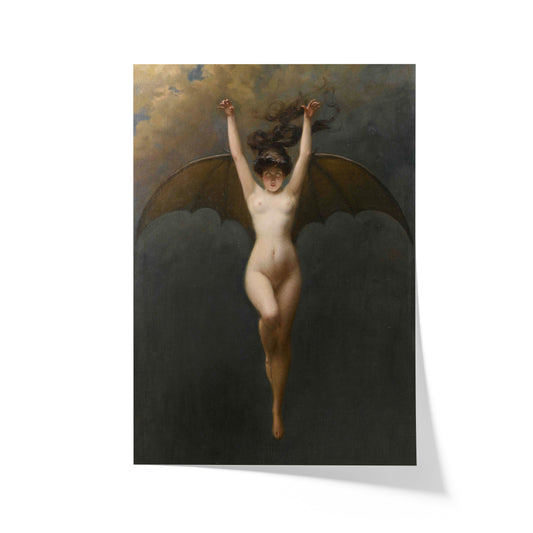
The Bat Woman | Albert Joseph-Pénot | 1890
Regular price From €32,95Regular priceUnit price per -
Daniel in the Lion's Den | Briton Rivière | 1872
Regular price From €32,95Regular priceUnit price per


Art Prints
Bright & intensive color spectrum. Best choice if you plan to frame it by yourself/local craft shop.
*Requests framing (frame is not included with this option)
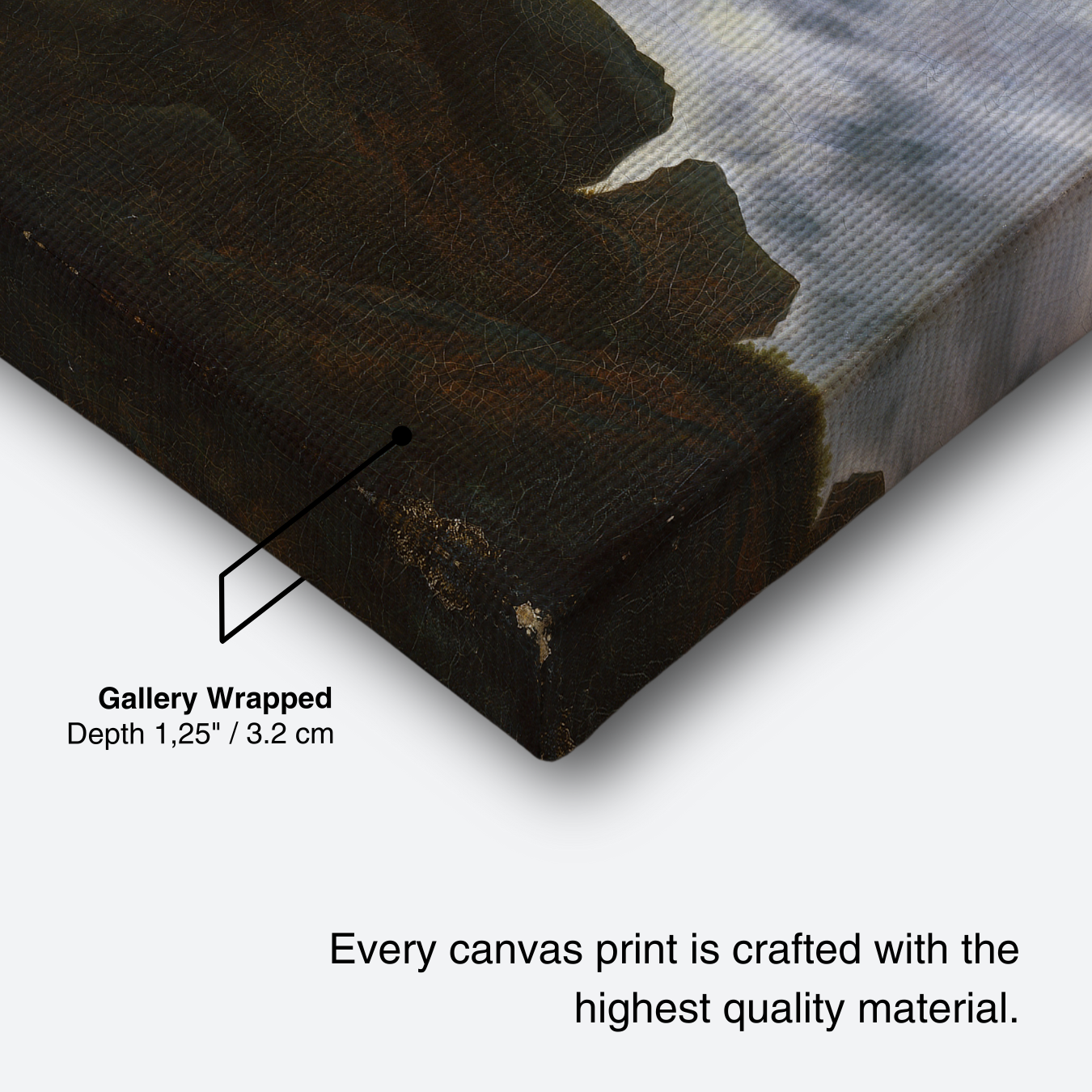
Canvas Features
Our gallery wrapped canvas framed with a wooden frame and ready to hang out of the box with hanging hardware pre-installed.
*Specially coated with poly-cot canvas for the highest durability and best color vibrancy. Archival grade canvas.
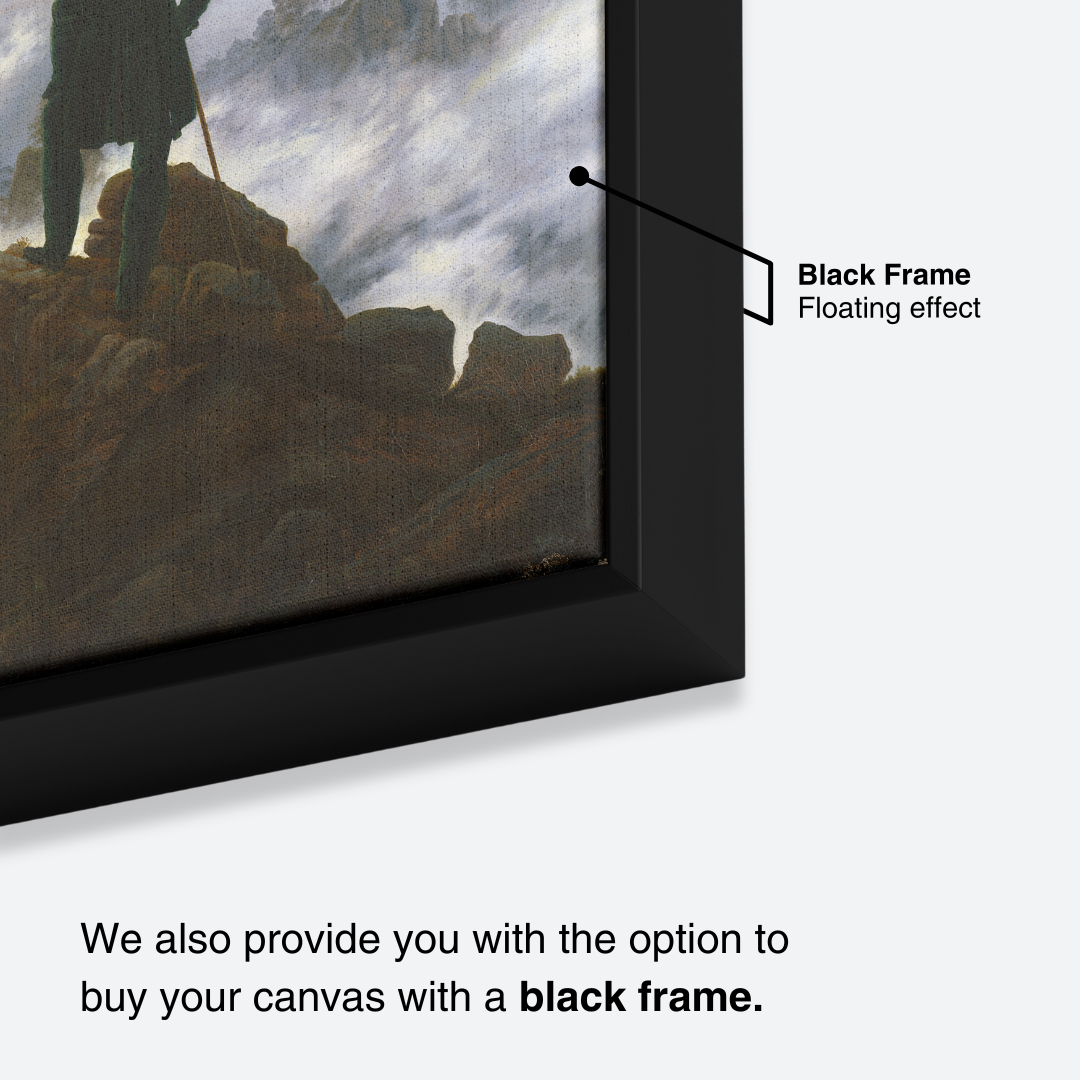
Black Frame
Black floating frame is a popular add-on to any canvas during the purchase. The frame is build using our proprietary profile radial pine, and coated with black graphite that gives it a gallery quality, luxurious matte finish.
Mobile Case Collection
-
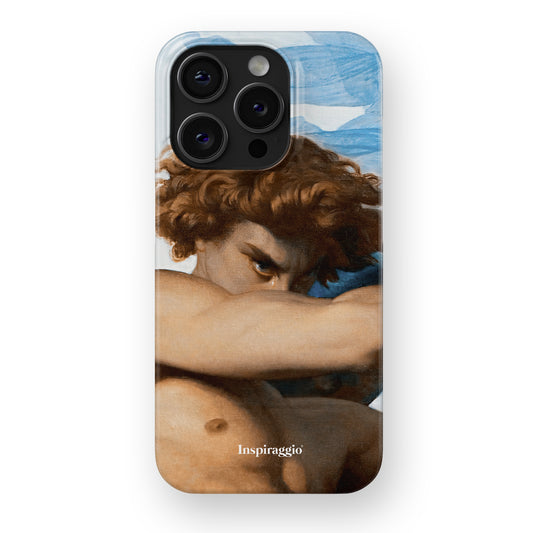
The Fallen Angel | Alexandre Cabanel | 1847
Regular price From €35,00Regular priceUnit price per -
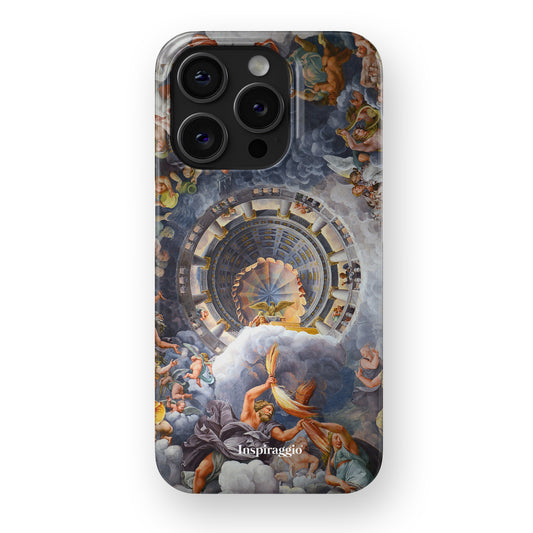
The Fall Of Giants | Giulio Romano | 1522
Regular price From €35,00Regular priceUnit price per -
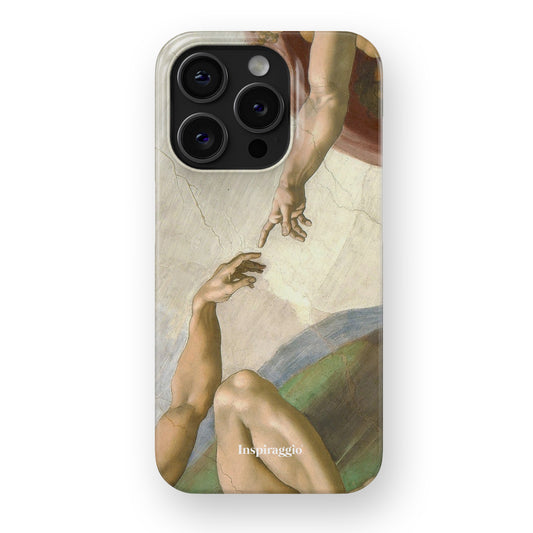
The Creation of Adam | Michelangelo Buonarroti | 1508-1512
Regular price From €35,00Regular priceUnit price per -
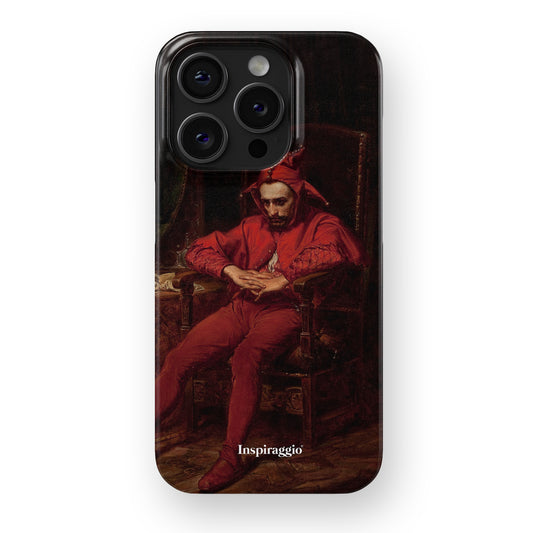
Stańczyk | Jan Matejko | 1862
Regular price From €35,00Regular priceUnit price per
-

-

Lifetime Guarantee
Returns & ExchangesWe have confidence in our materials; your order comes with a lifetime guarantee.
-

We're Here To Help
Customer ServiceWe want to make your experience amazing! Our team is ready to help.
