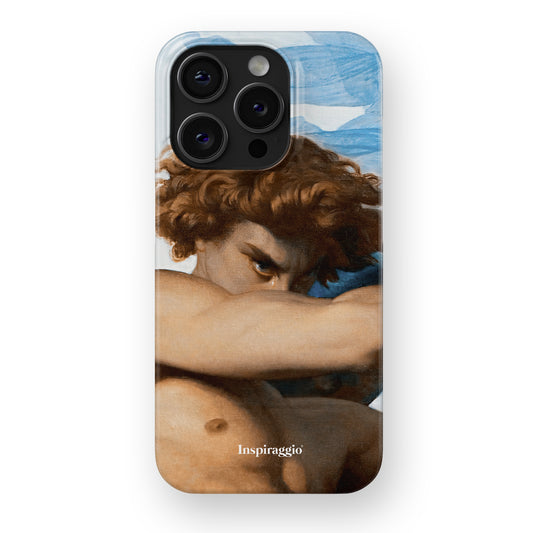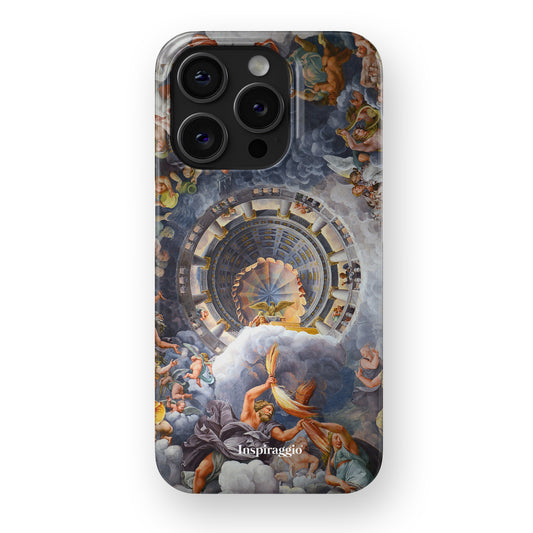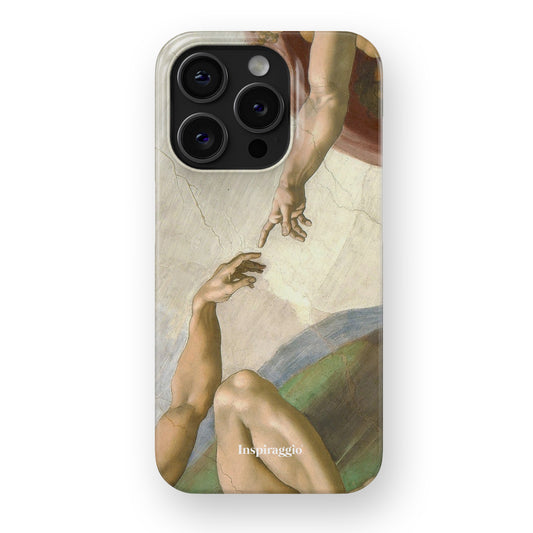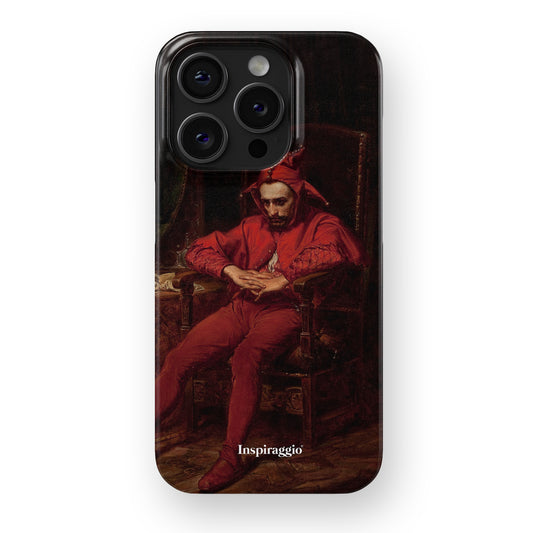



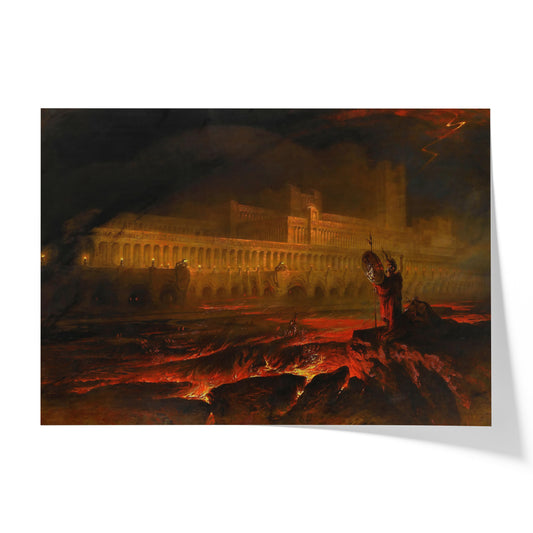

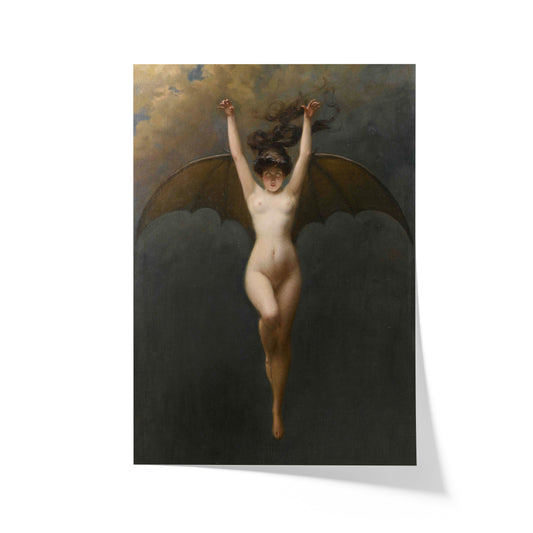


Great print of an amazing paiting!


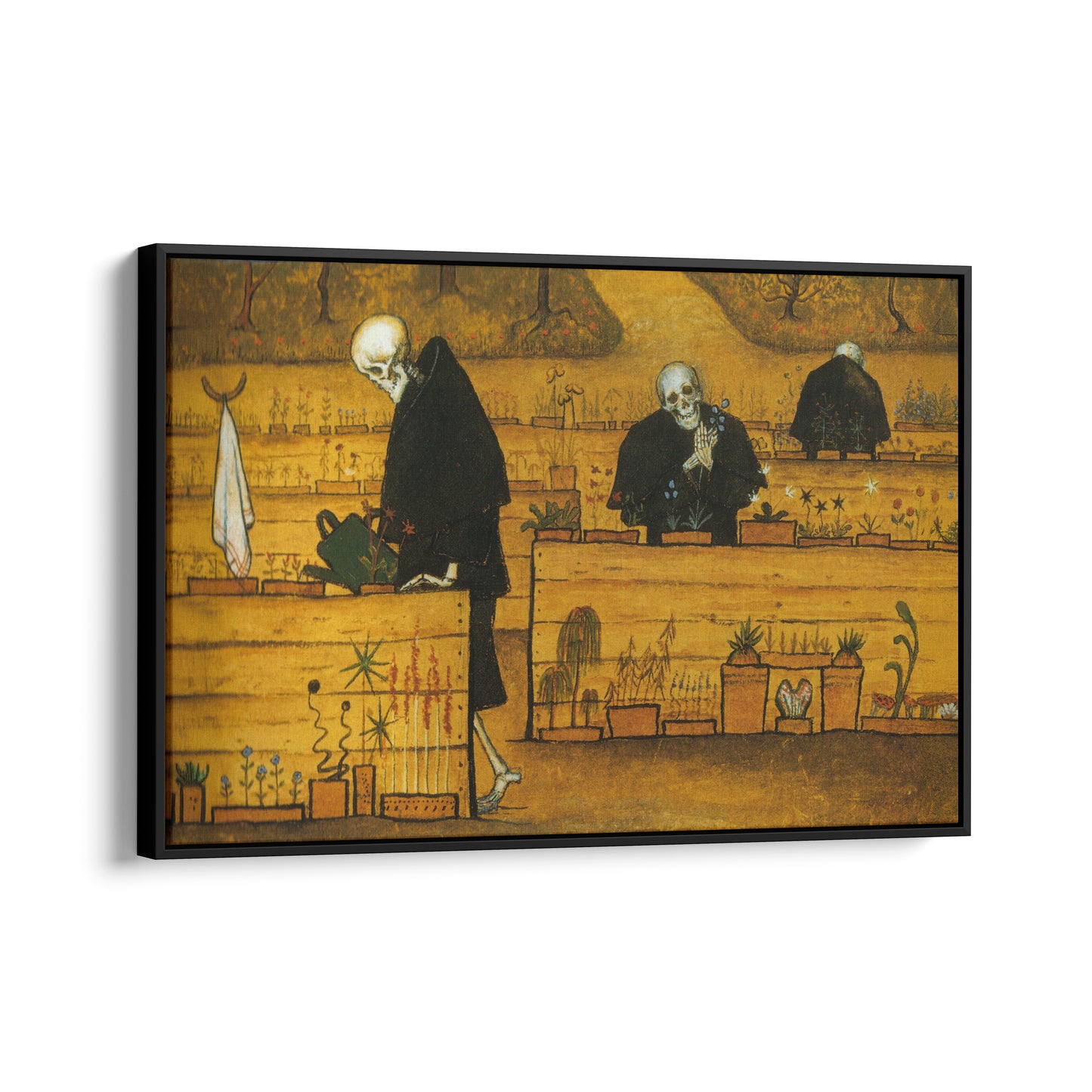
We provide Worldwide Shipping with tracking to most locations around the world. We operate a global production network, which allows us to produce and deliver orders locally for free. Our production facilities are located in the US, Canada, UK, Spain, and Australia.
Shipping times around the world vary based on your location. Here are our estimated delivery times from the day of purchase:
Above times are estimates, and include handling time to prepare your order. Business days exclude weekends and holidays. Please refer to the delivery time specific to your shipping address that is presented during the checkout.
We currently ship with the following global shipping partners: FedEx, UPS, DHL, GLS, Canada Post, Royal Mail, Aramex, and Australia Post.
Museum-quality reproductions
Each print is crafted with meticulous care, ensuring every detail captures the essence of the original masterpiece.
This way, you receive the most faithful reproduction possible, bringing the museum experience directly into your home.

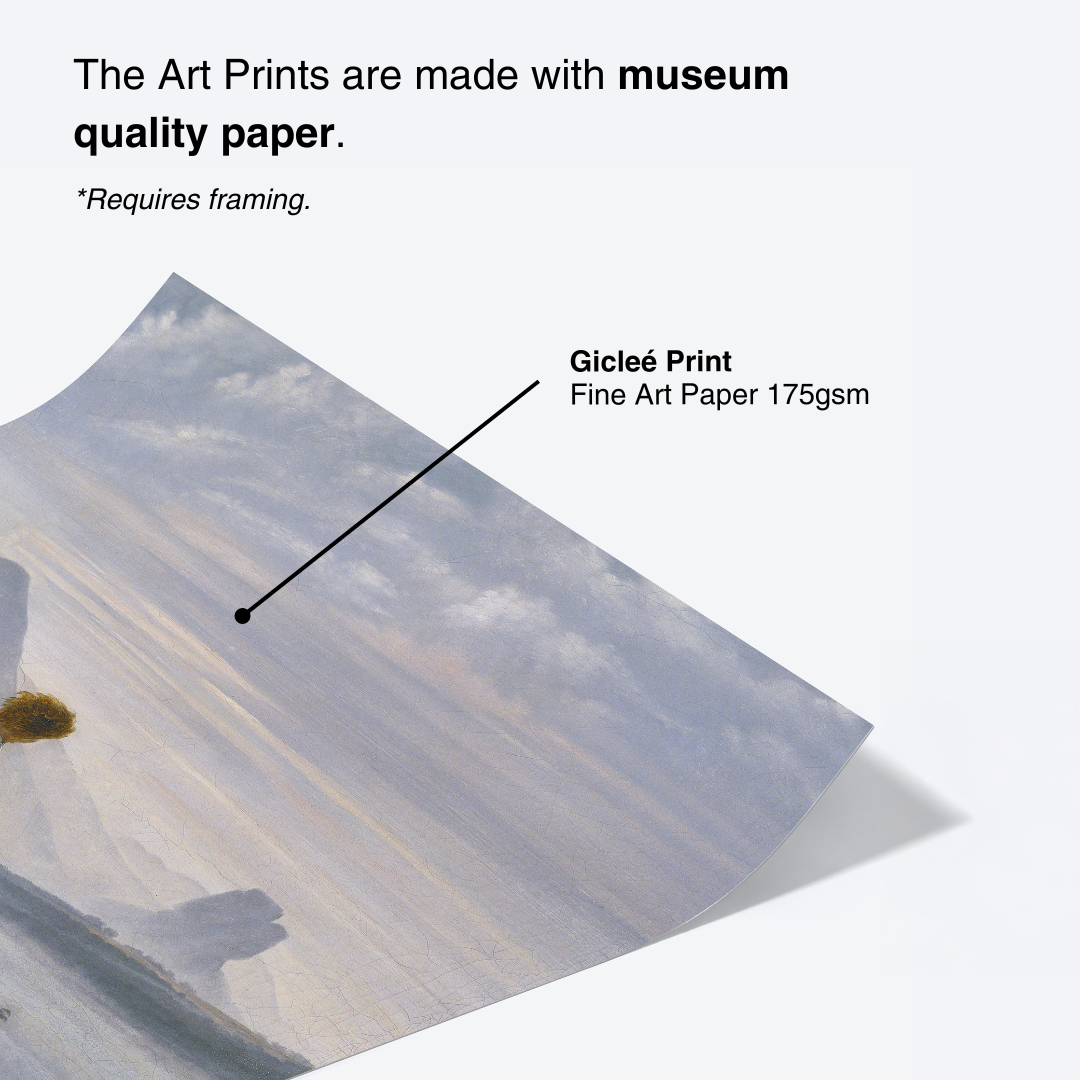
Bright & intensive color spectrum. Best choice if you plan to frame it by yourself/local craft shop.
*Requests framing (frame is not included with this option)
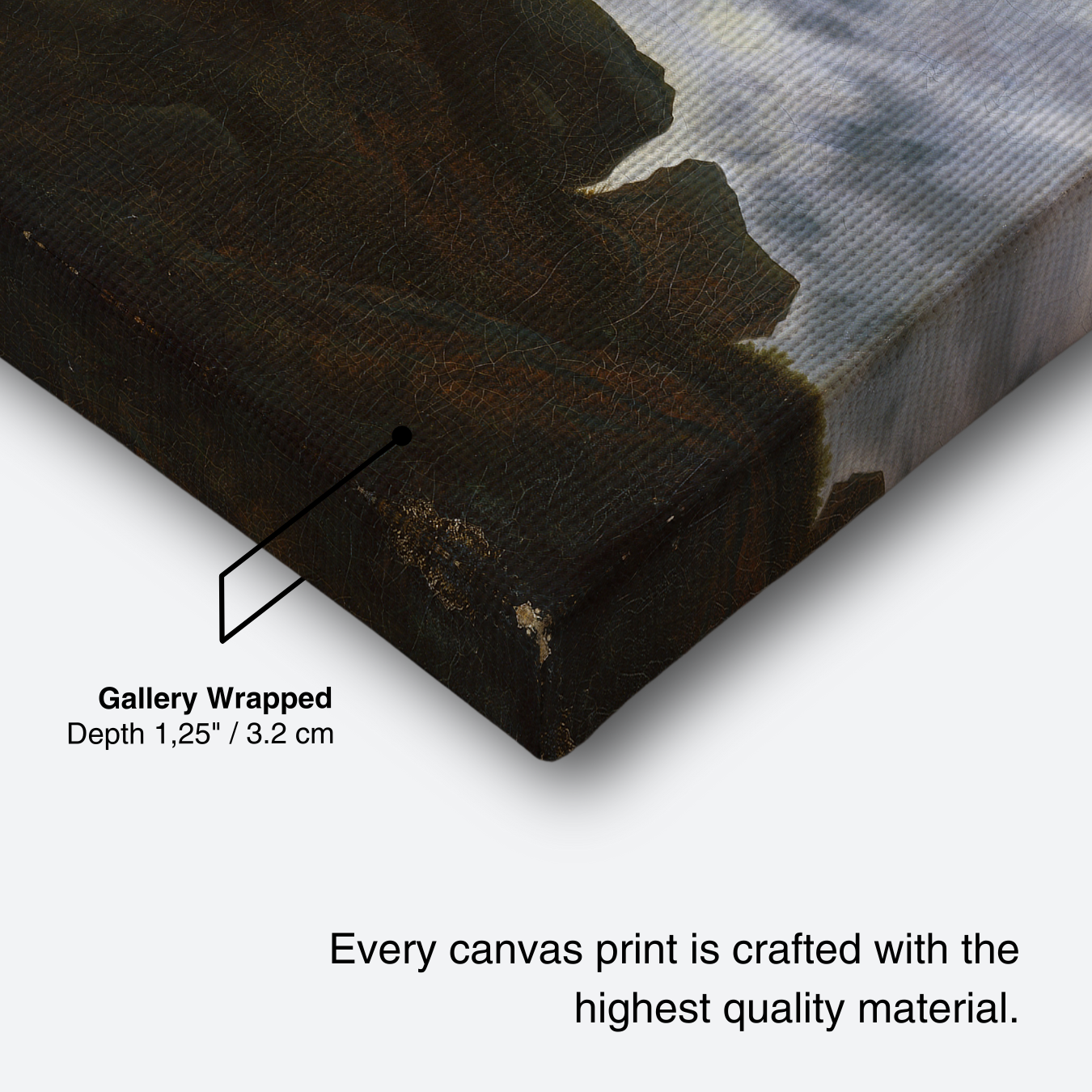
Our gallery wrapped canvas framed with a wooden frame and ready to hang out of the box with hanging hardware pre-installed.
*Specially coated with poly-cot canvas for the highest durability and best color vibrancy. Archival grade canvas.
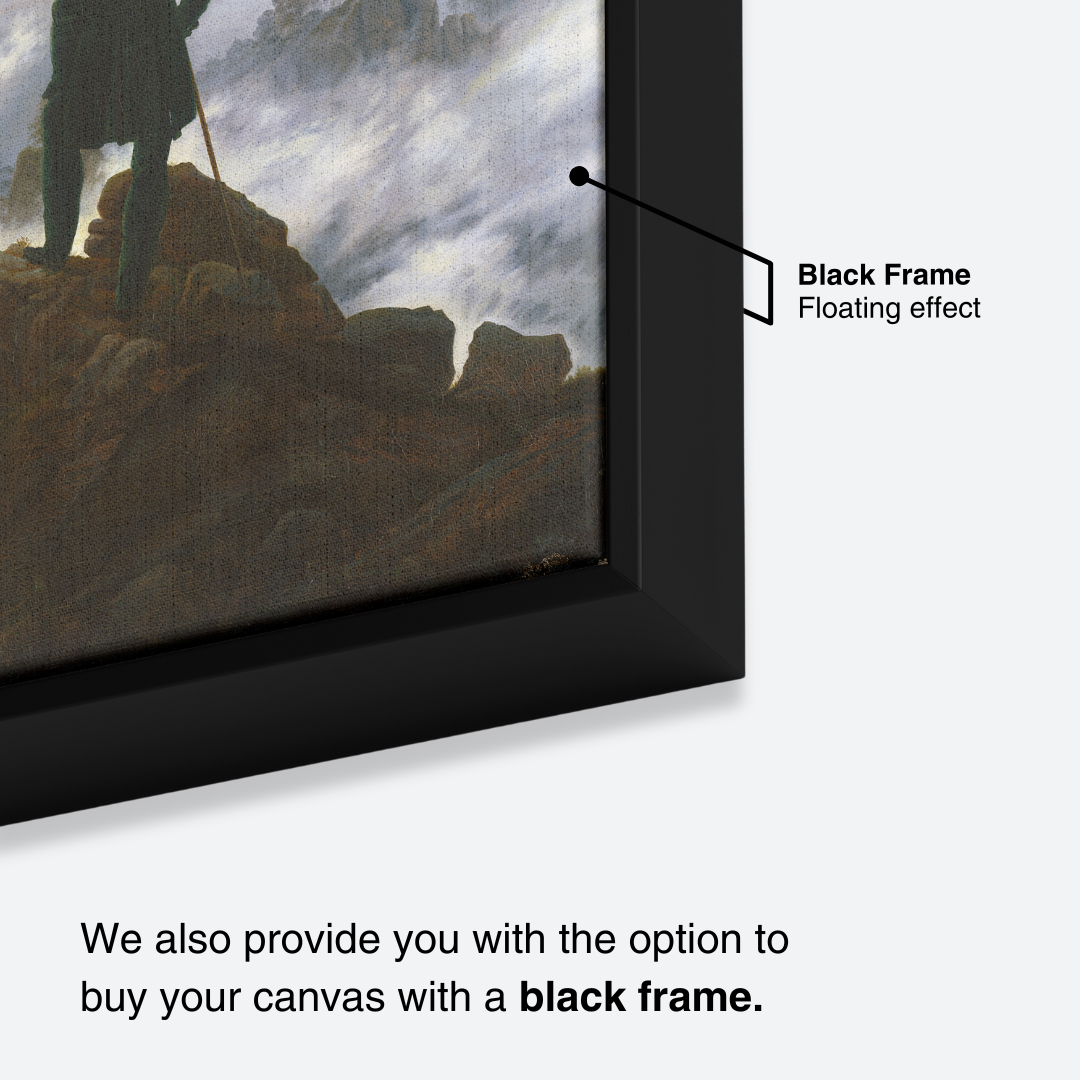
Black floating frame is a popular add-on to any canvas during the purchase. The frame is build using our proprietary profile radial pine, and coated with black graphite that gives it a gallery quality, luxurious matte finish.
Overall rating: 4.7 / 5 from 1656 reviews.
Great print of an amazing paiting!

Very poorly packaged—thin cardboard; I don't know how it survived shipping. The stretcher frame is too weak, leaving the canvas sagging and barely taut; at least one extra crossbar needs to be added to get the tension up to an acceptable standard. Check pictures, description diameters for package was overestimated few cm.

I love it!

The painting, the quality of the canvas material and the frame are all good.

Fast delivery and picture & frame looked great.

Quality canvas with a clear print and arrived in a very reasonable timescale. Good value for money and a robust frame as well.

Delivery was a bit slow but the print is spectacular.
Virgin and Child with Canon van der Paele | Jan van Eyck | c. 1434-36

Great poster even at a large scale high detail

Great quality. I them my poster. thank you.

Love my case thank you

Beautiful !! I Love this, I’m very impressed with the quality and workmanship. To all at Insperagio , Good Job!! Thank you all very Much 😊!!!

I came aware of inspiraggio on YouTube . This painting was my first purchase. And i am going to purchase more.

Nice print quality and good pricing.

Beautiful reproduction of Salvator Mundi. The quality of the artwork and framing are excellent, and I am very happy with the finished piece. I also want to commend Inspiraggio's customer service for being exceptionally helpful and accommodating when I experienced a shipping issue. I will happily purchase from them again.

I begin this review by recognising Inspiraggio’s excellent customer service. When one of two prints I ordered around the same time became delayed (the post office having dallied, misplaced it, or simply needed a kick up the whatsie), I contacted their team. They were straight onto it, offering to replace the print if it failed to arrive. They then contacted their courier, who in turn got in touch with Australia Post, and the package was delivered promptly. Throughout the process Inspiraggio’s staff kept me informed, and I could not rate their dedication to the customer any higher. Now to the prints themselves. Caspar David Friedrich’s best-known work is Wanderer above the Sea of Fog, yet here I chose Abbey in the Oakwood for its mood and tones. I am drawn to pieces that are stark, mysterious and dark. Is it a meditation on permanence, or does it simply resonate with those who value solitude? Who can say. Either way, it is a wonder. It also complements another piece I purchased from Inspiraggio after being introduced to the little-known Belgian artist Léon Spilliaert: Faun by Moonlight. Again the tones are dark, and it speaks directly to the somnambulist in me. Mysterious, haunting and evocative, it offers a quiet solace to those of us primed for solitude.

William Holbrook Beard’s For What Was I Created resonates with me deeply. What begins as Victorian-style satire and humour opens into far deeper questions about society. I identify with this monkey through my own experiences at work and in the pursuit of politics—where society, the politics of the office, and the state itself reduce us to creatures of entertainment, or clowns to be ridiculed. It is a profound painting.

I have Inspiraggio’s YouTube channel to thank for most of the artwork I’ve purchased since I began collecting prints. This time I splurged on Elihu Vedder’s The Questioner of the Sphynx as a 12 × 9 framed canvas. Living in a small studio apartment means space is limited, but careful space management has let me keep expanding the collection by downsizing when necessary. Would I prefer the largest canvas available? Of course. Yet the impact is far from lost at this scale. The painting speaks to me through its existential symbolism. Not far from the questioner’s feet lies the skull of another seeker. Lately I’ve begun to wonder what question is actually being asked—whether it concerns existence itself, or simply the origins of the Sphinx—because the unanswered question is what continues to plague the seeker.

This is so much fun. Seeing how similar Franz Sedlaceck's "Library" is to my own farmhouse library; I simply had to have it hanging over the fireplace. I thoroughly enjoy the different artists and works you expose us to and genuinely appreciate the thoughtful commentary and excellence of each presentation.

Great quality, great piece, and fast shipping!
Allegory of Satan (Lord of the World) | Ludwik Stasiak | c. 1900

The detail is amazing to see in person and looks amazing in my room. Love it!

Beautiful prints, they don’t lie about the quality. I could not recommend these prints enough.

Awesome product, excellent service. Arrived quickly in perfect condition. We love this piece and have been lucky enough to see it in real life - and now get to look at it every day. Hurrah! Keep up the great work Inspiraggio!!

Perfect picture for my hallway!

Absolutely amazing!!!

Beautiful and impacting. Dali doesn't fail.

I’m very happy with my phone case as I revere William Blake and his works especially his poetry . My cover keeps him relevant to my daily life.

I have this right behind my head in my home office to remind myself who I'm working for (just kidding!)
Allegory of Satan (Lord of the World) | Ludwik Stasiak | c. 1900

Here's 'The Last Days of Pompeii' above a work-in-progress videogame console cabinet. I'm a total history nut and I've long been fascinated by what happened in Pompeii, so I had to get this. I love how dark and dramatic it is.

beautiful art press

This is my 3rd print from Inspiraggio and I am still impressed with the quality. I am looking forward to buying the next one.

The cover is absolutely beautiful and very well made. It’s so lightweight that it almost feels like it isn’t even there! I absolutely love it, and as someone who is obsessed with phone cases (I’m constantly changing them 😂), I’ll definitely be buying more!

Quick delivery. A very nice piece. Very satisfied

It exceeded my expectations! Great quality, outstanding design, almost glossy finish. Love it!

Great purce

Amazing products and excellent customer care! Thank you!

The Astronomer (Vermeer) and The Old Guitarist (Picasso) perfectly frame my sister Monica's exquisite paintings in my home office, providing me with tranquility and love for the Arts.

Very nice reproduction in a qualitative frame.

.
Dante and Virgil in the Ninth Circle of Hell | Gustave Doré | 1861

Great quality print, arrived quickly and packaged securely!

Fantastic paintings and amazing super fast delivery. Highly recommended 👌


We have confidence in our materials; your order comes with a lifetime guarantee.

We want to make your experience amazing! Our team is ready to help.